(02) 252 3236
![$rows[judul]](http://iycw-aspac.org/asset/foto_berita/YCWPakistan2.jpg)
In Nawa Pind, Punjab Province, Pakistan, bricklin labor dominates
community life. Families depend on this work for survival, while others turn to
farming. Yet this type
of work is marked by exploitation, hazardous
conditions, and systemic poverty.
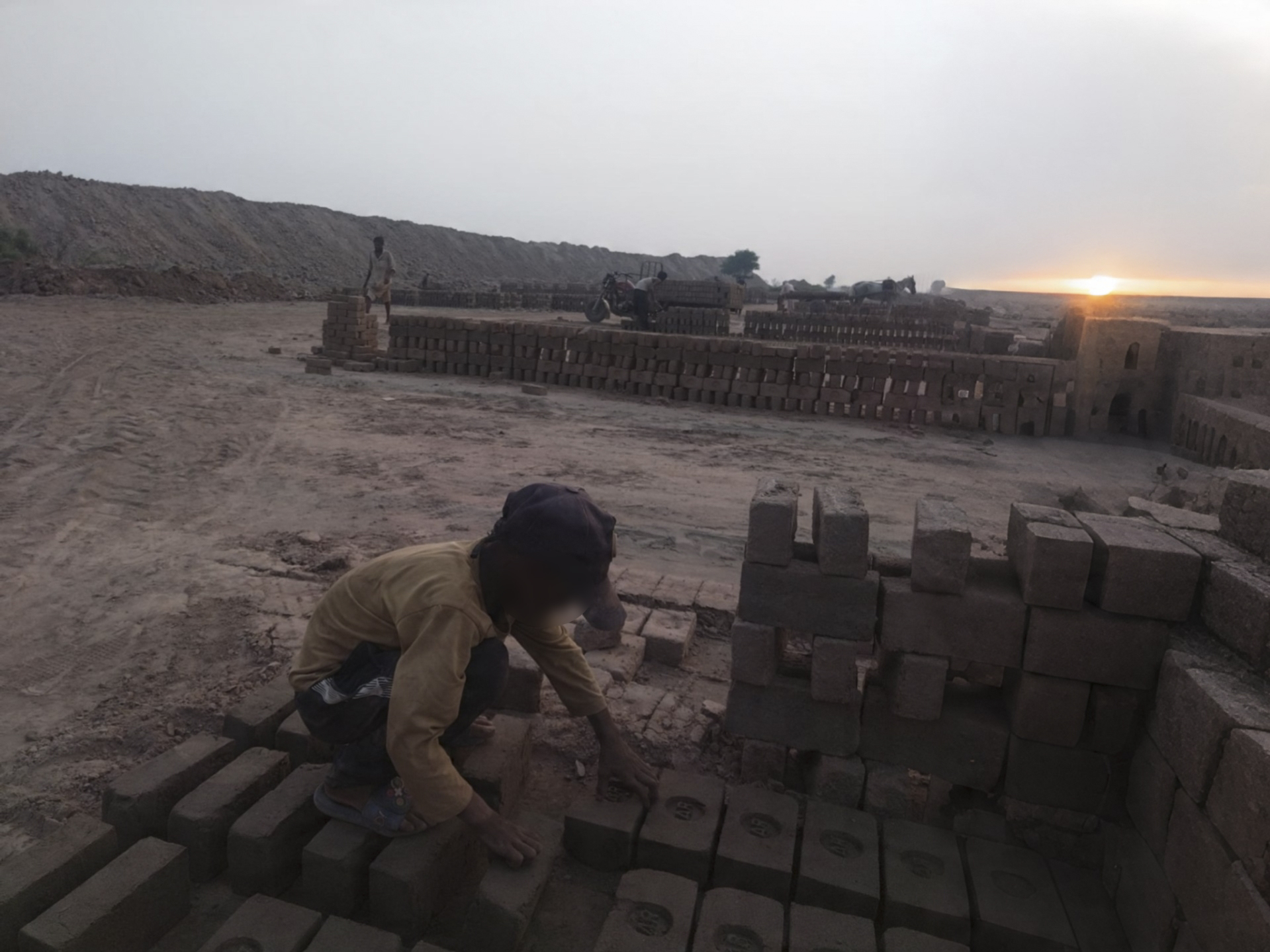
One of the most alarming realities is the widespread
involvement of children. Children as young as four years old are compelled to
work alongside their parents, enduring long hours of heavy labor. A typical
family of five—often including two to three children—must produce 500 bricks
daily to earn just 700 PKR (around 2.5 USD) for 8 to 10 hours of work. This
practice not only robs children of their education and childhood but also
perpetuates generational poverty.
Brick kiln workers face constant threats to their health
and safety:
Frequent accidents
such as broken legs due to unsafe equipment and heavy loads
Skin diseases
caused by prolonged exposure to dust and chemicals
Respiratory problems including asthma, triggered by extreme heat and dust
Despite these risks, workers receive no social security or
benefits. Government support remains inaccessible, leaving families unprotected
and vulnerable to further exploitation.
During the rainy season, brick production halts, cutting
off workers’ only source of income. Families are forced to borrow money from
factory owners to survive. Although these loans are interest‑free, they come
with binding conditions: workers cannot seek employment elsewhere or leave
their community. This restriction effectively ties families to the kiln,
reinforcing dependency.
This system creates a cycle of dependency. Families sink
deeper into debt, unable to recover financially. Their freedom is restricted,
and opportunities for a better livelihood remain out of reach. Debt bondage,
though disguised as “interest‑free loans,” functions as a form of modern
slavery.



Write comment