(02) 252 3236
![$rows[judul]](http://iycw-aspac.org/asset/foto_berita/ycwaspacpakistan1.jpg)
In Lahore, thousands of young rickshaw
drivers work every day to support their families and contribute to their
communities. For many, driving a rickshaw is one of the few available sources
of income in the informal economy. They often spend long hours on the road,
sometimes up to 12 hours a day, yet their earnings remain very low. Drivers who
own their vehicles earn around 3.5 USD per day, while those who rent vehicles may
earn as little as 1.2 USD daily after expenses. Such incomes make it difficult
for workers and their families to live with dignity.
Despite the important service they
provide, many rickshaw drivers continue to face uncertainty in their work. The
lack of official recognition and accessible permit systems leaves many workers
vulnerable and without access to social protection programs that benefit other
sectors of the transport workforce. At the same time, rising fuel prices and
increasing living costs have placed additional pressure on their already
limited earnings.
This situation affects nearly 2,000
rickshaw drivers in the Thokar Niaz Baig area of Lahore alone. Many young
workers continue in this occupation because employment opportunities are
limited and alternative jobs often do not provide sufficient income to meet
family needs.
Yet amid these challenges, young
rickshaw drivers continue to demonstrate resilience and solidarity. They are
supporting one another, sharing information, and working together to raise
awareness about their situation and aspirations. Their hope is for a future
where rickshaw drivers are recognized for their contribution to society and are
able to work in conditions that uphold dignity, security, and respect.
Every worker deserves dignity,
recognition, and the opportunity to build a better future for themselves and
their families. Young rickshaw drivers are not only transport providers—they
are workers, community members, and agents of positive change.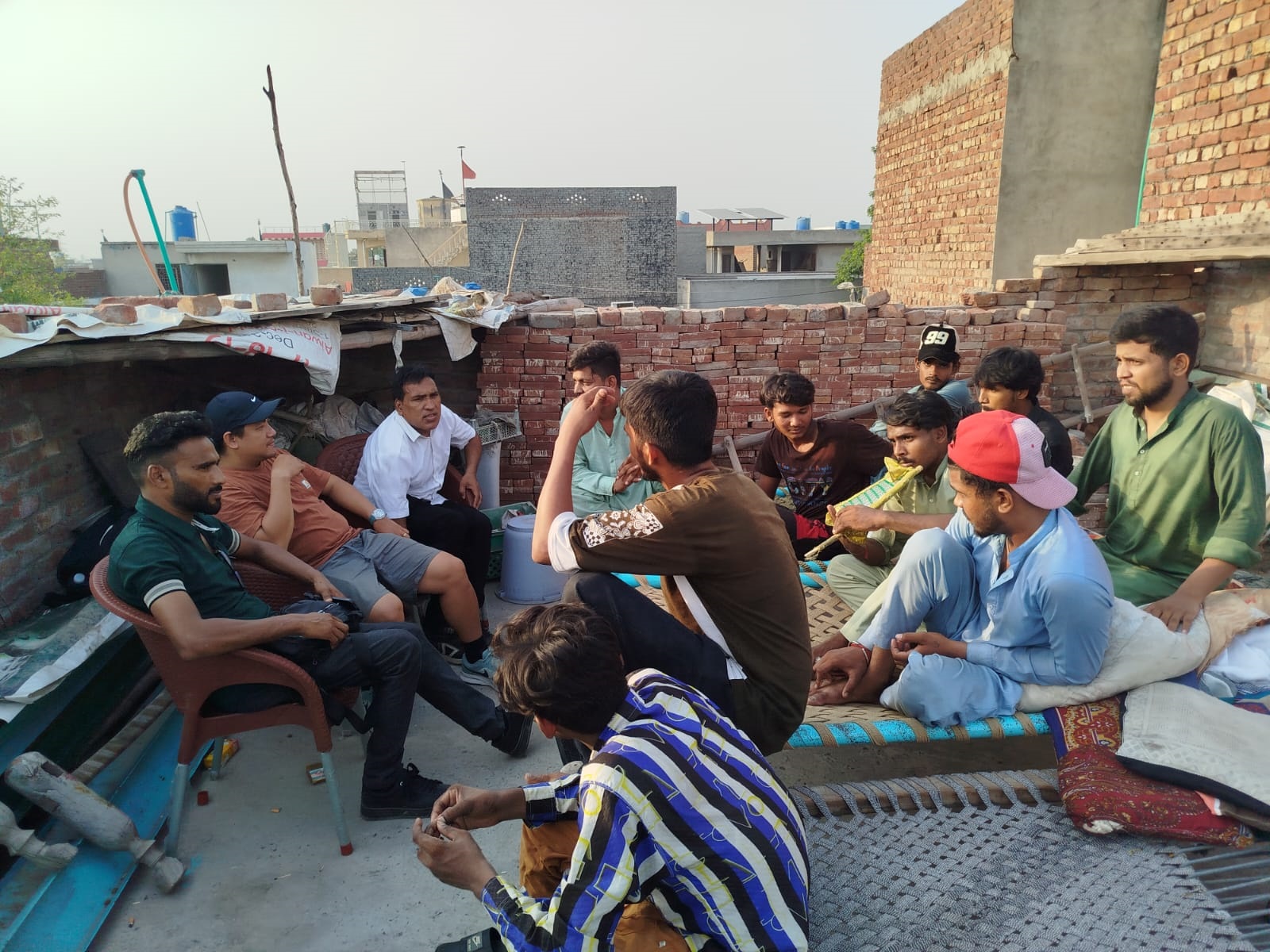


Write comment