(02) 252 3236
![$rows[judul]](http://iycw-aspac.org/asset/foto_berita/hayuma1.jpg)
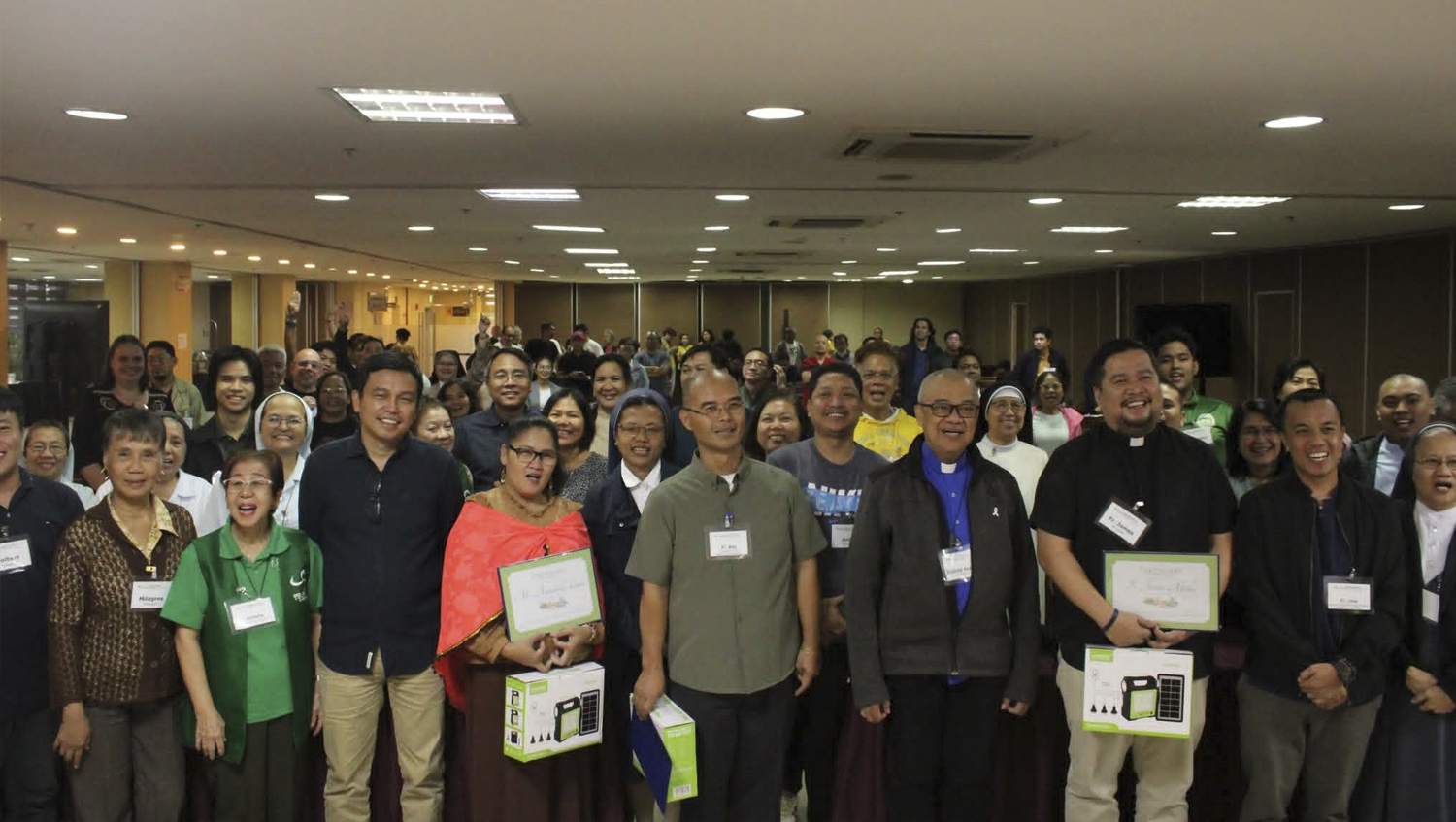
Ecological defenders, Church leaders, labor groups, and civil society organizations came together at the start of the year for Hayuma: Mending the Broken, a Church-led convergence responding to the intertwined crises of ecology, economy, and governance in the Philippines. The gathering reflected the growing urgency to confront what many Church leaders and advocates describe as “tolerated evils”—conditions of injustice that have become familiar, normalized, and largely unchallenged.
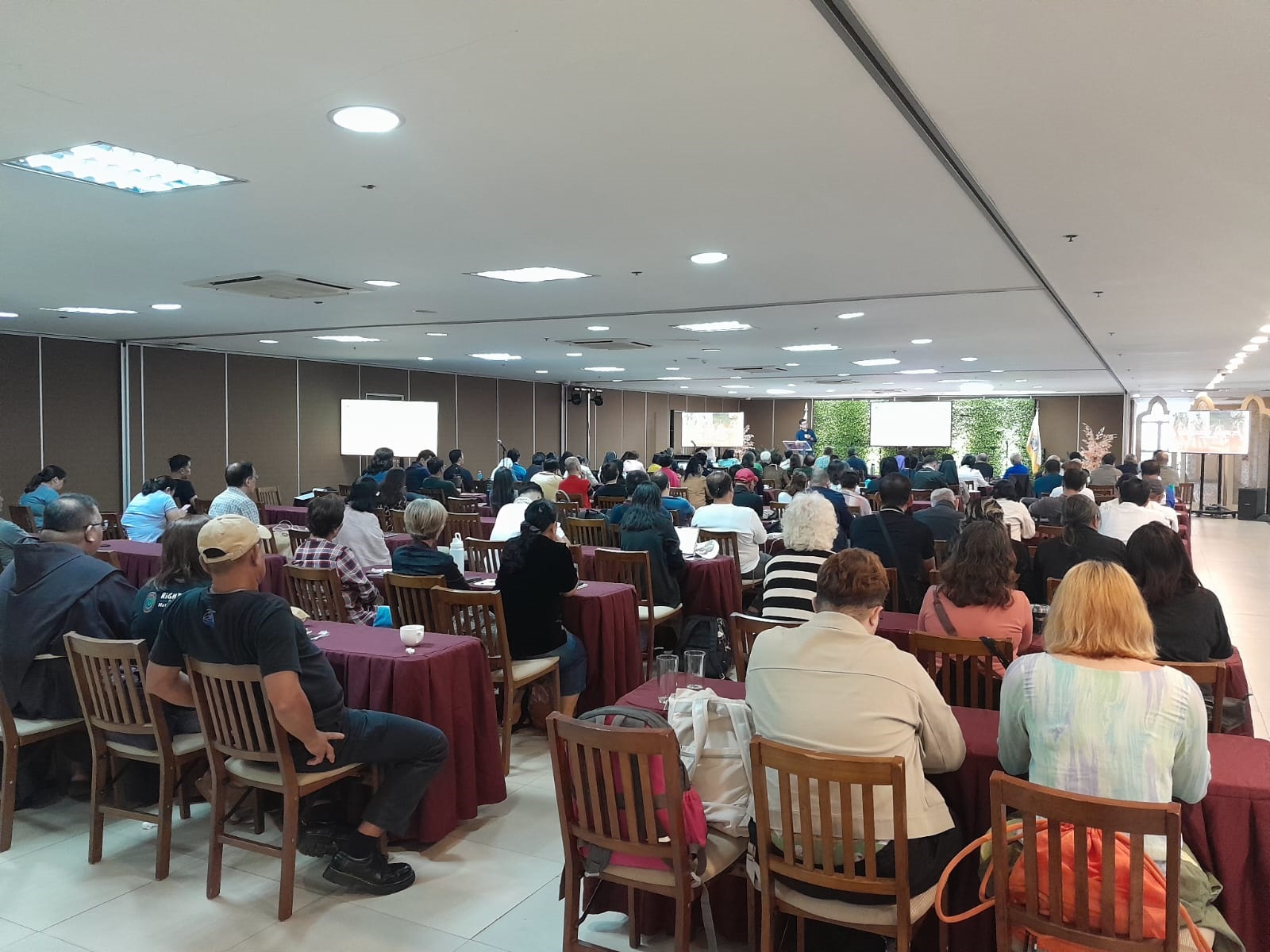
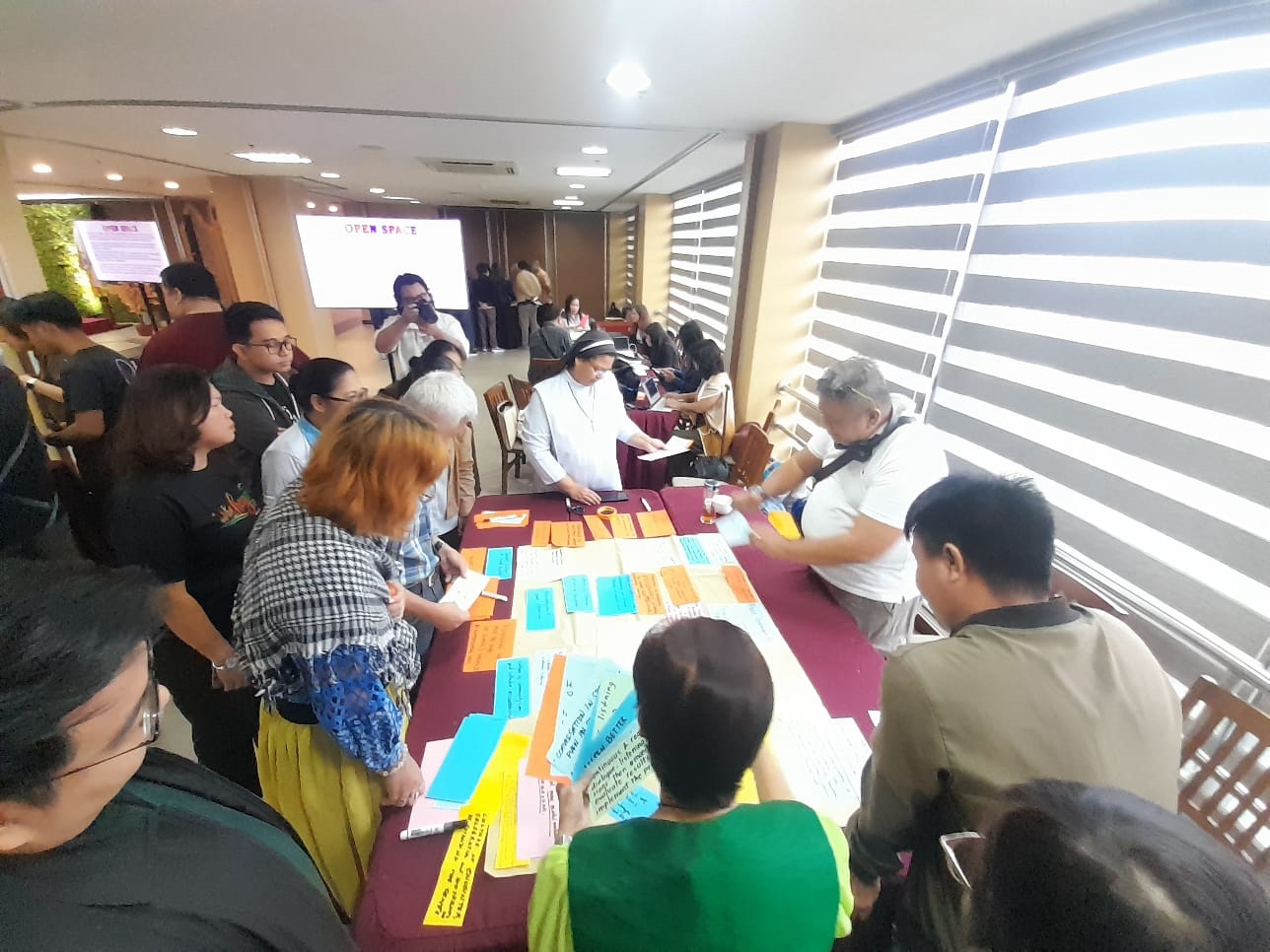
The convergence was framed within the synodal
vision promoted by Pope Francis, emphasizing the process of listening
together, discerning together, and acting together. Participants were reminded
that synodality is not only a method of consultation but a path of spiritual
renewal and structural reform that enables the Church to walk more closely with
the poor and the marginalized.
Discussions unmasked the realities shaping the
country today. On the economic front, speakers pointed to
patronage-driven budgeting, opaque decision-making processes, and development
models that favor political and corporate interests over people’s needs. Aid
programs, while extensive, were critically examined as tools that often fail to
reduce vulnerability and, at times, reinforce dependency. The absence of a
coherent industrial policy and the continued exploitation of natural resources
further exposed the fragility of livelihoods, particularly among workers and
rural communities.
Governance concerns centered on the concentration of power
among political elites, oligarchs, and corporate actors. Participants
highlighted how corruption, lack of transparency, and limited public
participation deepen social inequality and erode trust in institutions. In this
context, the Church’s prophetic responsibility was underscored—not to replace
political structures, but to serve as a moral conscience that calls out
injustice and defends the common good.
Ecological discussions emphasized the worsening
environmental crisis marked by deforestation, destructive mining, climate
vulnerability, and freshwater scarcity. These were described not as isolated
environmental problems but as moral and social issues that disproportionately
affect the poor. Drawing from the framework of integral ecology articulated in Laudato
Si’, participants stressed that environmental degradation and human
suffering are inseparable.
Faith reflection during the gathering returned
repeatedly to the identity of the Church as a Church of the Poor, a
vision long articulated in pastoral teachings of the Catholic Bishops’
Conference of the Philippines. Speakers challenged the tendency to manage
injustice rather than confront it, warning that silence and indifference allow
suffering to persist. True worship, they noted, cannot be separated from
justice, participation, and accountability in social life.
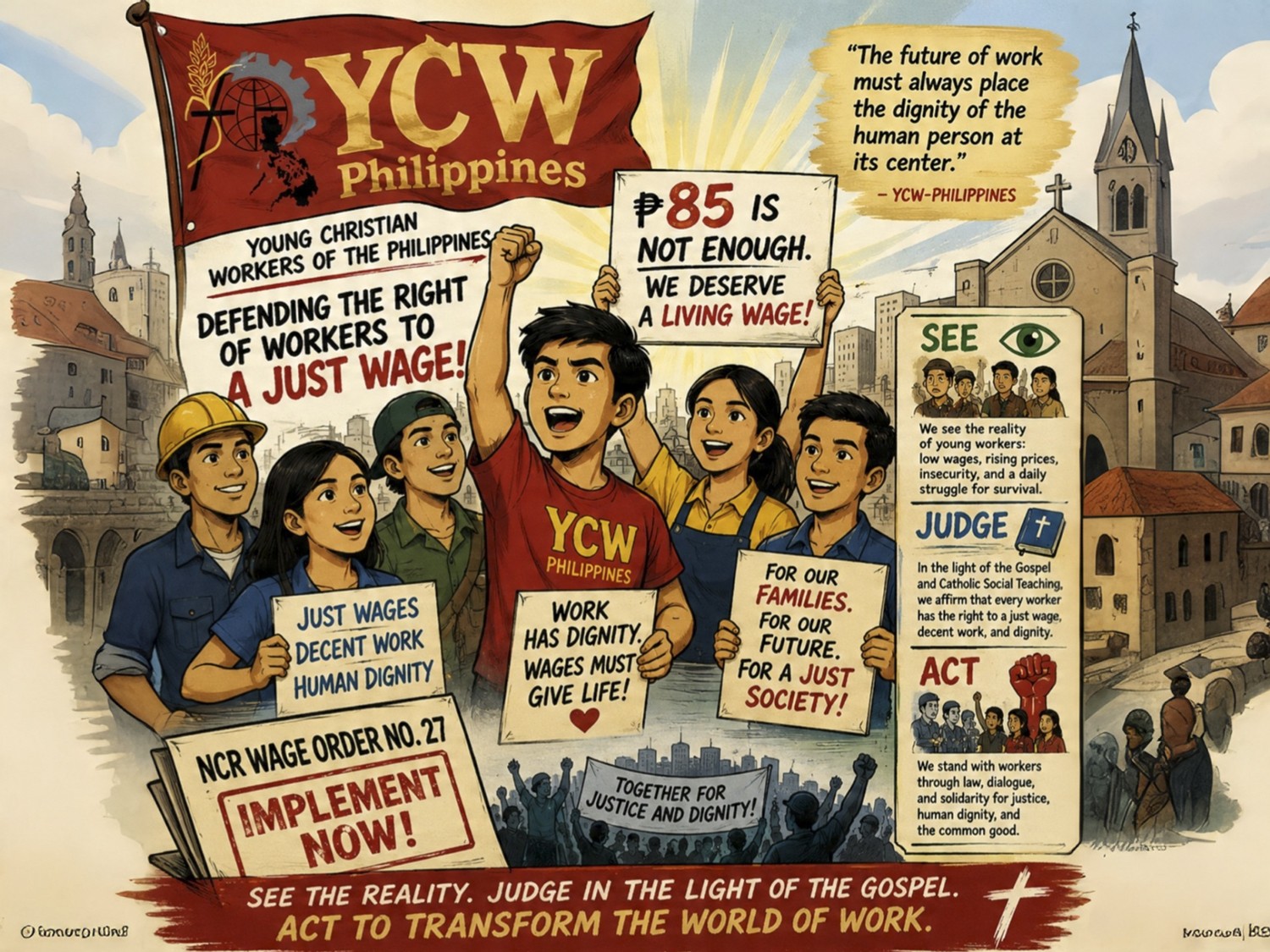
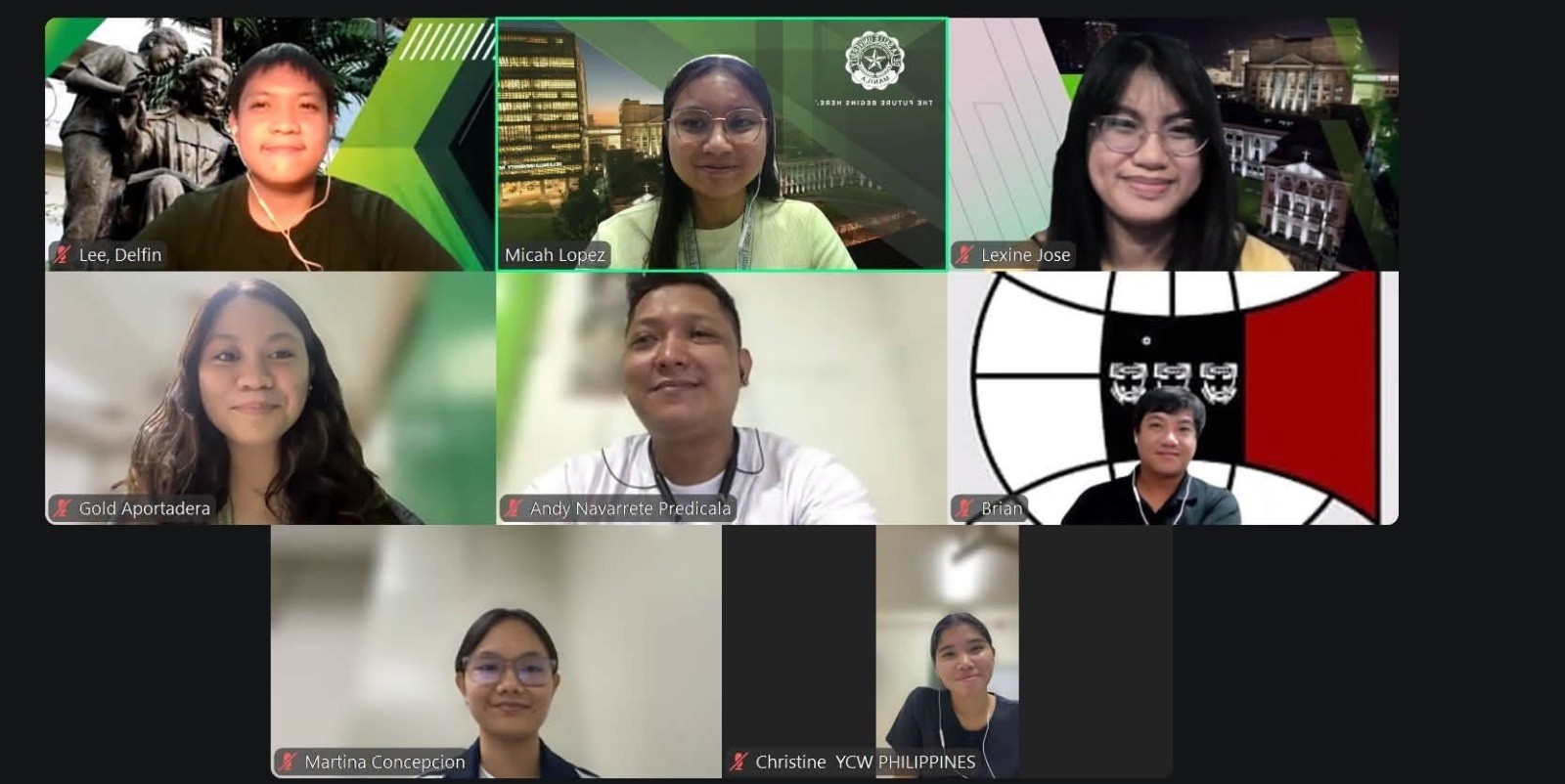
The Young Christian Workers (YCW) took
part in the convergence, contributing perspectives grounded in the lived
realities of young workers. Through the movement’s SEE–JUDGE–ACT method, YCW
helped articulate how economic insecurity, labor exploitation, and ecological
damage intersect in workplaces and communities. Their participation reinforced
the call for organized, collective responses rather than isolated acts of
charity.
The gathering concluded with a shared commitment
to action. Participants affirmed the need to strengthen ecological defense,
pursue people-centered economic policies, and deepen participatory and
transparent governance. More importantly, Hayuma underscored that love, when
rooted in faith, must move beyond compassion toward transformation—organizing
communities, challenging unjust systems, and patiently mending what has been
broken.
In this spirit, Hayuma stood as a reminder that
the Church’s mission today is not neutrality but accompaniment—walking with the
poor, listening to their cries, and daring to act together for life, justice,
and hope.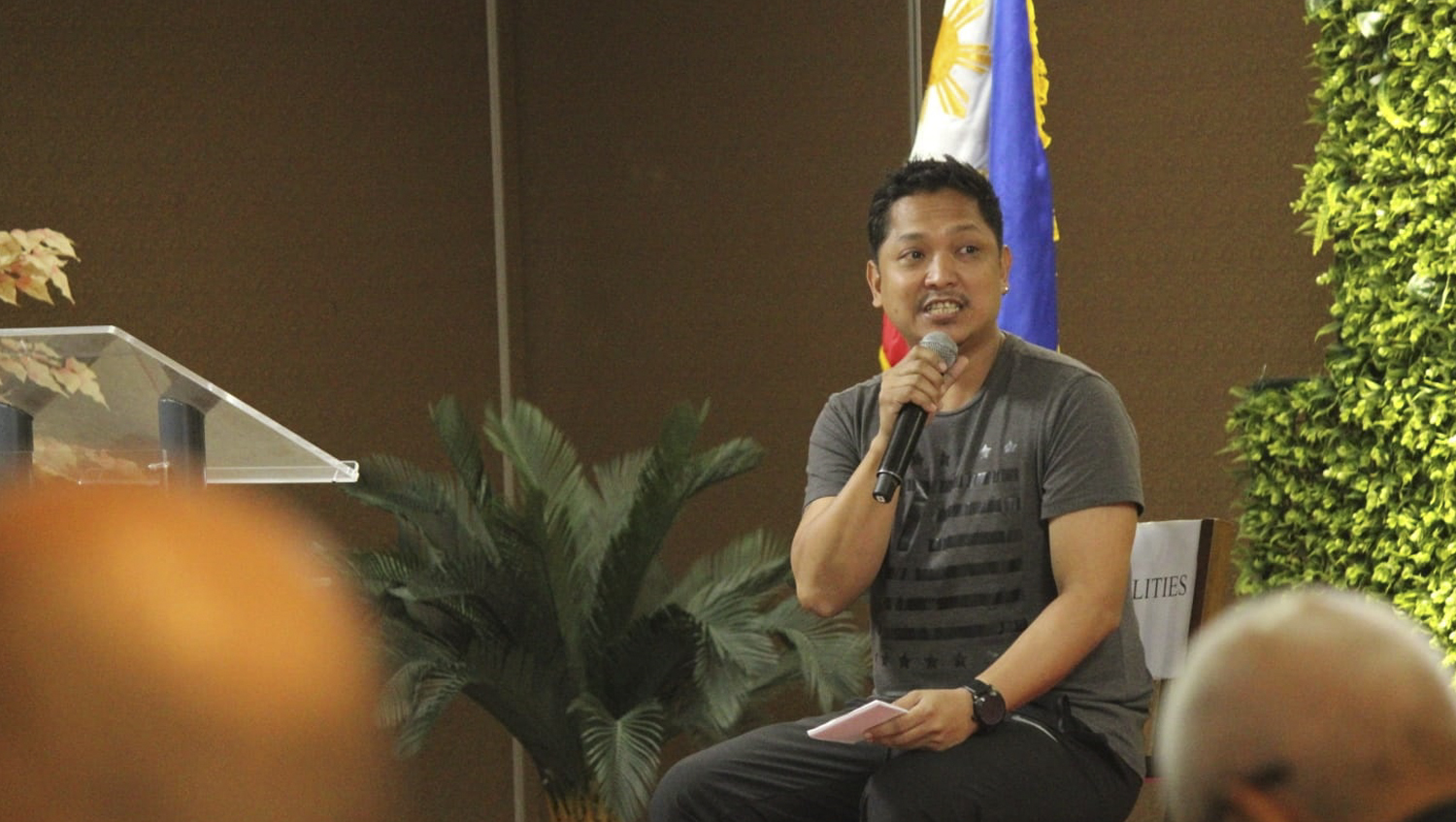



Write comment