(02) 252 3236
![$rows[judul]](https://iycw-aspac.org/asset/foto_berita/PhilJap.jpg)
The Philippines and Japan are separated by roughly 1,800–2,000 miles (about 2,900–3,200 km), and a direct flight usually takes around 4.5 to 5 hours—a short span in geography, yet vast in lived realities. Across that distance lie differences not only in landscape, but in rhythm: of culture, of economy, of belief, of daily survival and hope.
This is what the Young Christian Workers and JOC–Japan encountered during their Exchange on May 2–5 in Iloilo City. Nine (9) Japanese participants crossed seas and skies to meet their Filipino counterparts, not merely as visitors, but as fellow workers seeking truth. They were welcomed not with perfection, but with honesty—homes opened, stories shared, lives revealed. And in that sacred space of encounter, both sides began to see not just each other, but themselves more clearly.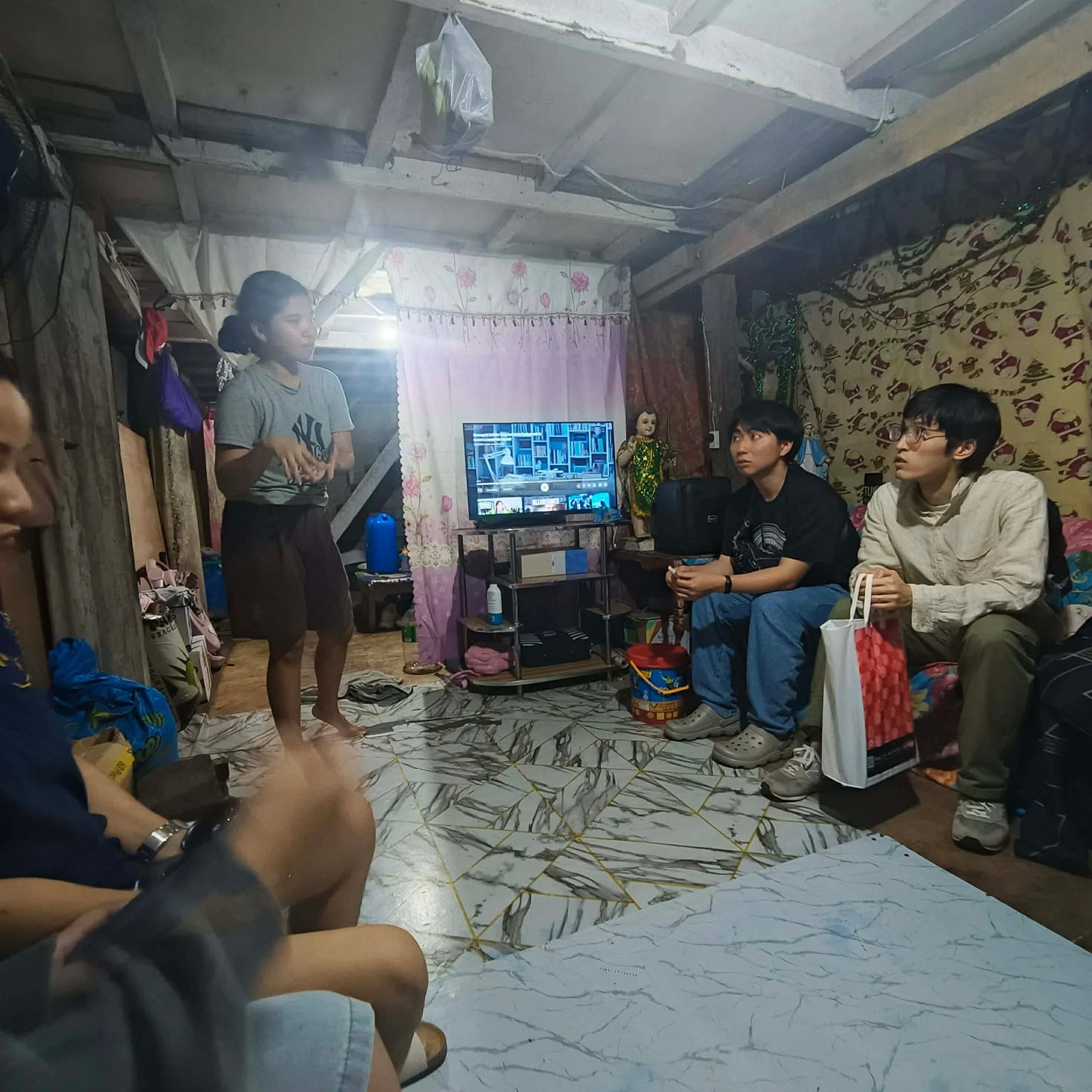
They witnessed contrasts that spoke louder than words. The convenience of structured, efficient homes in Japan stood beside the fragile, weather-worn shelters of some Filipino members—like two verses of the same song sung in different keys. Access to education, stable employment, and social protection in Japan shimmered like a well-lit path, while for many Filipino young workers, the road appeared uncertain, uneven, and often walked in the shadows of insecurity. Salaries that sustain dignity in one country barely echo survival in another. And yet, even within the apparent strength of Japan, there were quiet struggles—stories of social isolation, of silent battles with mental health, of lives that appear complete yet long for deeper human connection. In this way, both nations carried burdens—different in form, but equal in weight.
Still, the exchange was not only a confrontation of realities—it was also a celebration of humanity. Between translations and laughter, meaning was not lost but rediscovered. Words stumbled, but hearts understood. There were shared meals where hands reached into a common spread, like a boodle fight that erased distance with every bite. There were karaoke nights where voices, though foreign in language, harmonized in spirit. There were long conversations that stretched beyond vocabulary, carried by smiles, gestures, and a sincere desire to understand. In those simple yet profound moments, the beauty of each culture unfolded—not as something to compare, but as something to cherish.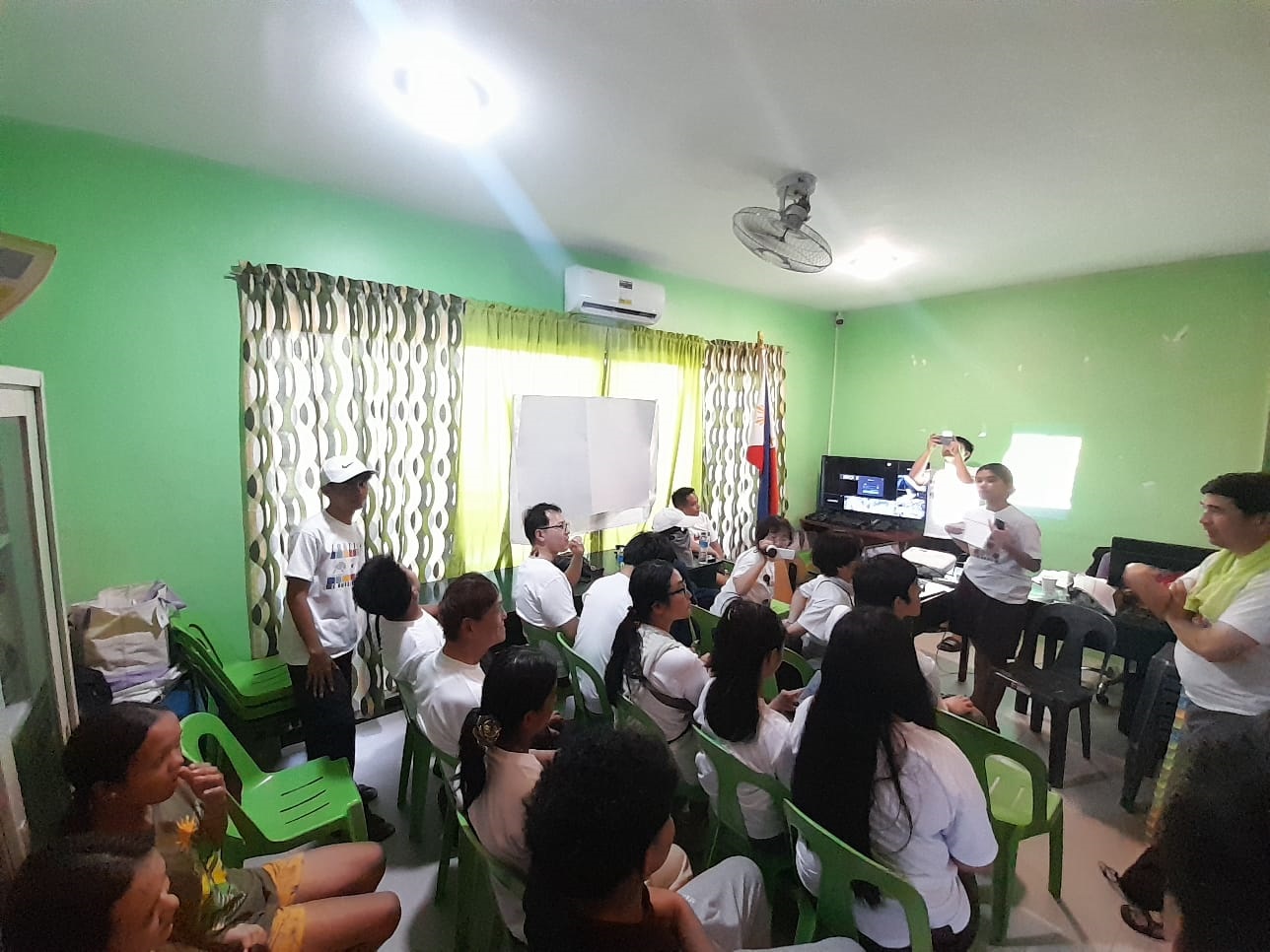
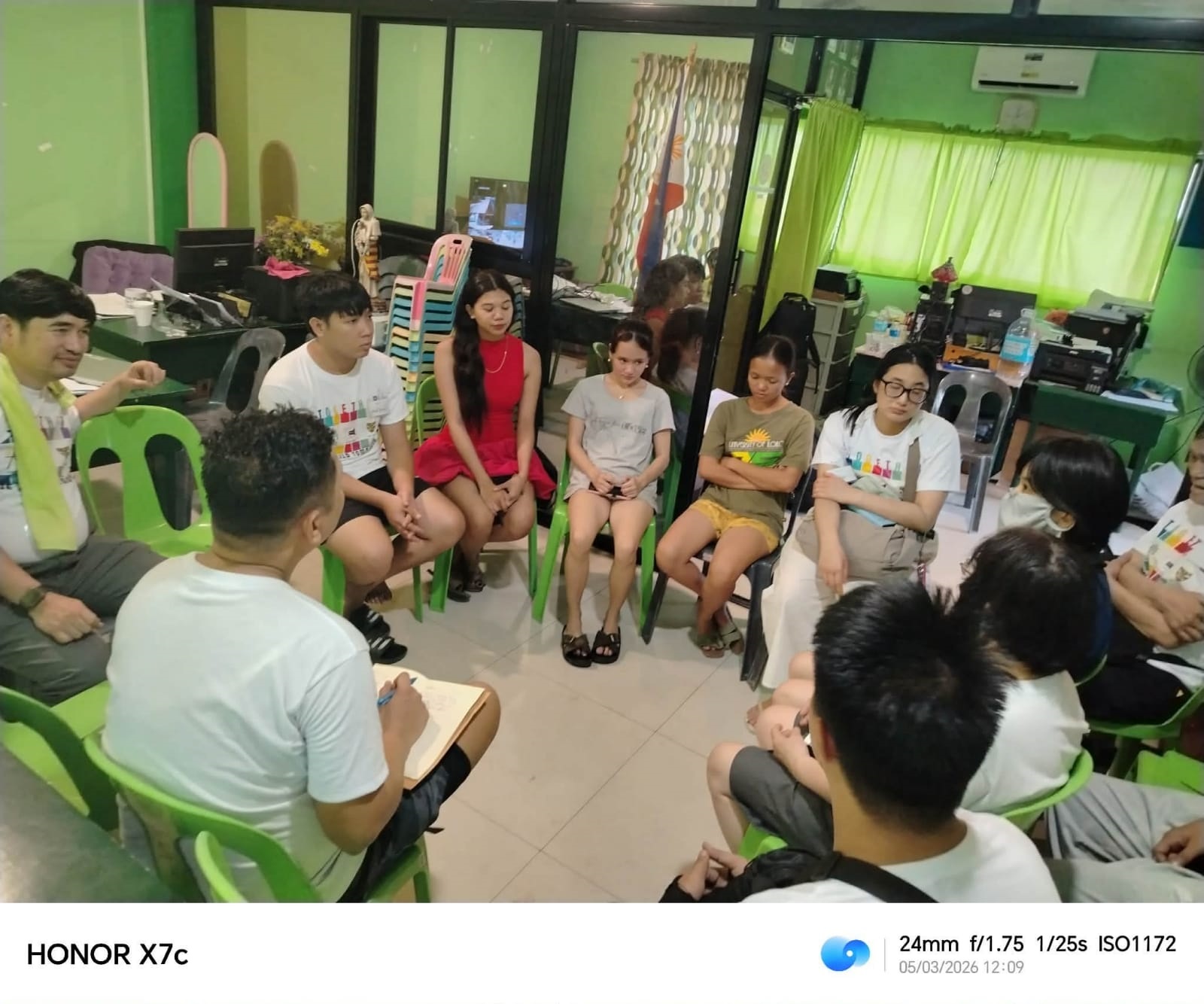
The exchange became a mirror and a bridge at once. A mirror, because it revealed uncomfortable truths—systems that uplift in one place and neglect in another. A bridge, because it allowed hearts to cross over these divides, not by ignoring them, but by embracing them with empathy. In the simplicity of conversations, in the silence of listening, and in the courage of witnessing, solidarity was no longer an abstract ideal—it became flesh.
For the Young Christian Workers, this is the essence of exchange. Rooted in the method of See–Judge–Act, it is not tourism but transformation. To see is to encounter reality without filters; to judge is to reflect in the light of faith and human dignity; to act is to commit to change, no matter how small the beginning. As an international movement, YCW reminds us that the struggle of one worker is the struggle of all. Borders may define nations, but they do not confine dignity.
This echoes the words of Scripture: “If one part suffers, every part suffers with it; if one part is honored, every part rejoices with it.” (1 Corinthians 12:26). In Iloilo, this truth came alive—not as a verse recited, but as a reality lived. The pain of inequality was shared, but so too was the hope of collective action.
Yet even as hope rises, a cry remains. Filipino young workers continue to yearn for greater attention and accountability from those in power—for systems that truly support their needs, for opportunities that are just and accessible, and for governance that serves with integrity. The call is clear: to stand against corruption in all its forms, and to build a society where dignity is not a privilege for a few, but a right for all.
And so, a resolution emerges—not written merely on paper, but inscribed in the hearts of all who participated:
They will not return the same.
The Japanese delegates, having seen the resilience of Filipino young workers, carry with them a deeper awareness of privilege and responsibility. The Filipino hosts, having encountered the structures that protect workers in Japan, carry a renewed conviction that such dignity is not a distant dream, but a right worth claiming.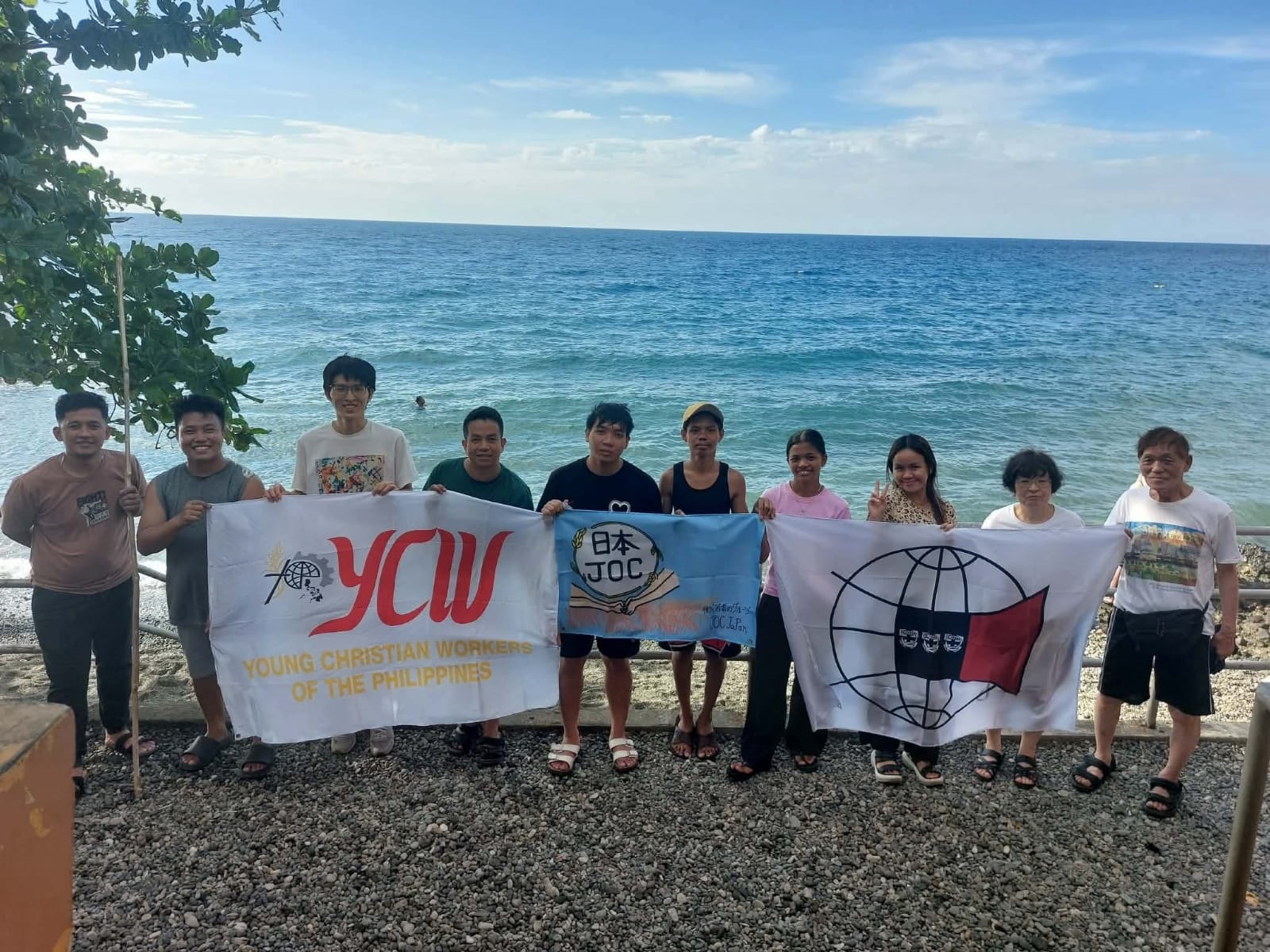
Together, they resolve to uphold the dignity of every young worker—to challenge systems that exploit, to build communities that empower, and to affirm that no work, and no worker, is ever without value. They commit to strengthening their unity as one international movement, where differences are not barriers, but invitations to deeper solidarity.
For in the end, the distance between nations is not measured in miles or hours, but in the willingness to walk with one another. And in this exchange, they have begun that journey—step by step, heart to heart—until the gap is no longer a divide, but a path toward justice.
Arnel Adano YCW- Philippines (Adult Collaborator )


Write comment