(02) 252 3236
Severity: 8192
Message: Creation of dynamic property CI_URI::$config is deprecated
Filename: core/URI.php
Line Number: 101
Backtrace:
File: /home/iycw0264/public_html/index.php
Line: 293
Function: require_once
Severity: 8192
Message: Creation of dynamic property CI_Router::$uri is deprecated
Filename: core/Router.php
Line Number: 127
Backtrace:
File: /home/iycw0264/public_html/index.php
Line: 293
Function: require_once
Severity: 8192
Message: Creation of dynamic property News::$benchmark is deprecated
Filename: core/Controller.php
Line Number: 75
Backtrace:
File: /home/iycw0264/public_html/application/controllers/News.php
Line: 18
Function: __construct
File: /home/iycw0264/public_html/index.php
Line: 293
Function: require_once
Severity: 8192
Message: Creation of dynamic property News::$hooks is deprecated
Filename: core/Controller.php
Line Number: 75
Backtrace:
File: /home/iycw0264/public_html/application/controllers/News.php
Line: 18
Function: __construct
File: /home/iycw0264/public_html/index.php
Line: 293
Function: require_once
Severity: 8192
Message: Creation of dynamic property News::$config is deprecated
Filename: core/Controller.php
Line Number: 75
Backtrace:
File: /home/iycw0264/public_html/application/controllers/News.php
Line: 18
Function: __construct
File: /home/iycw0264/public_html/index.php
Line: 293
Function: require_once
Severity: 8192
Message: Creation of dynamic property News::$log is deprecated
Filename: core/Controller.php
Line Number: 75
Backtrace:
File: /home/iycw0264/public_html/application/controllers/News.php
Line: 18
Function: __construct
File: /home/iycw0264/public_html/index.php
Line: 293
Function: require_once
Severity: 8192
Message: Creation of dynamic property News::$utf8 is deprecated
Filename: core/Controller.php
Line Number: 75
Backtrace:
File: /home/iycw0264/public_html/application/controllers/News.php
Line: 18
Function: __construct
File: /home/iycw0264/public_html/index.php
Line: 293
Function: require_once
Severity: 8192
Message: Creation of dynamic property News::$uri is deprecated
Filename: core/Controller.php
Line Number: 75
Backtrace:
File: /home/iycw0264/public_html/application/controllers/News.php
Line: 18
Function: __construct
File: /home/iycw0264/public_html/index.php
Line: 293
Function: require_once
Severity: 8192
Message: Creation of dynamic property News::$exceptions is deprecated
Filename: core/Controller.php
Line Number: 75
Backtrace:
File: /home/iycw0264/public_html/application/controllers/News.php
Line: 18
Function: __construct
File: /home/iycw0264/public_html/index.php
Line: 293
Function: require_once
Severity: 8192
Message: Creation of dynamic property News::$router is deprecated
Filename: core/Controller.php
Line Number: 75
Backtrace:
File: /home/iycw0264/public_html/application/controllers/News.php
Line: 18
Function: __construct
File: /home/iycw0264/public_html/index.php
Line: 293
Function: require_once
Severity: 8192
Message: Creation of dynamic property News::$output is deprecated
Filename: core/Controller.php
Line Number: 75
Backtrace:
File: /home/iycw0264/public_html/application/controllers/News.php
Line: 18
Function: __construct
File: /home/iycw0264/public_html/index.php
Line: 293
Function: require_once
Severity: 8192
Message: Creation of dynamic property News::$security is deprecated
Filename: core/Controller.php
Line Number: 75
Backtrace:
File: /home/iycw0264/public_html/application/controllers/News.php
Line: 18
Function: __construct
File: /home/iycw0264/public_html/index.php
Line: 293
Function: require_once
Severity: 8192
Message: Creation of dynamic property News::$input is deprecated
Filename: core/Controller.php
Line Number: 75
Backtrace:
File: /home/iycw0264/public_html/application/controllers/News.php
Line: 18
Function: __construct
File: /home/iycw0264/public_html/index.php
Line: 293
Function: require_once
Severity: 8192
Message: Creation of dynamic property News::$lang is deprecated
Filename: core/Controller.php
Line Number: 75
Backtrace:
File: /home/iycw0264/public_html/application/controllers/News.php
Line: 18
Function: __construct
File: /home/iycw0264/public_html/index.php
Line: 293
Function: require_once
Severity: 8192
Message: Creation of dynamic property News::$load is deprecated
Filename: core/Controller.php
Line Number: 78
Backtrace:
File: /home/iycw0264/public_html/application/controllers/News.php
Line: 18
Function: __construct
File: /home/iycw0264/public_html/index.php
Line: 293
Function: require_once
Severity: 8192
Message: Creation of dynamic property News::$db is deprecated
Filename: core/Loader.php
Line Number: 396
Backtrace:
File: /home/iycw0264/public_html/application/controllers/News.php
Line: 18
Function: __construct
File: /home/iycw0264/public_html/index.php
Line: 293
Function: require_once
Severity: 8192
Message: Creation of dynamic property CI_DB_mysqli_driver::$failover is deprecated
Filename: database/DB_driver.php
Line Number: 371
Backtrace:
File: /home/iycw0264/public_html/application/controllers/News.php
Line: 18
Function: __construct
File: /home/iycw0264/public_html/index.php
Line: 293
Function: require_once
Severity: 8192
Message: Return type of CI_Session_files_driver::open($save_path, $name) should either be compatible with SessionHandlerInterface::open(string $path, string $name): bool, or the #[\ReturnTypeWillChange] attribute should be used to temporarily suppress the notice
Filename: drivers/Session_files_driver.php
Line Number: 132
Backtrace:
File: /home/iycw0264/public_html/application/controllers/News.php
Line: 18
Function: __construct
File: /home/iycw0264/public_html/index.php
Line: 293
Function: require_once
Severity: 8192
Message: Return type of CI_Session_files_driver::close() should either be compatible with SessionHandlerInterface::close(): bool, or the #[\ReturnTypeWillChange] attribute should be used to temporarily suppress the notice
Filename: drivers/Session_files_driver.php
Line Number: 292
Backtrace:
File: /home/iycw0264/public_html/application/controllers/News.php
Line: 18
Function: __construct
File: /home/iycw0264/public_html/index.php
Line: 293
Function: require_once
Severity: 8192
Message: Return type of CI_Session_files_driver::read($session_id) should either be compatible with SessionHandlerInterface::read(string $id): string|false, or the #[\ReturnTypeWillChange] attribute should be used to temporarily suppress the notice
Filename: drivers/Session_files_driver.php
Line Number: 166
Backtrace:
File: /home/iycw0264/public_html/application/controllers/News.php
Line: 18
Function: __construct
File: /home/iycw0264/public_html/index.php
Line: 293
Function: require_once
Severity: 8192
Message: Return type of CI_Session_files_driver::write($session_id, $session_data) should either be compatible with SessionHandlerInterface::write(string $id, string $data): bool, or the #[\ReturnTypeWillChange] attribute should be used to temporarily suppress the notice
Filename: drivers/Session_files_driver.php
Line Number: 235
Backtrace:
File: /home/iycw0264/public_html/application/controllers/News.php
Line: 18
Function: __construct
File: /home/iycw0264/public_html/index.php
Line: 293
Function: require_once
Severity: 8192
Message: Return type of CI_Session_files_driver::destroy($session_id) should either be compatible with SessionHandlerInterface::destroy(string $id): bool, or the #[\ReturnTypeWillChange] attribute should be used to temporarily suppress the notice
Filename: drivers/Session_files_driver.php
Line Number: 315
Backtrace:
File: /home/iycw0264/public_html/application/controllers/News.php
Line: 18
Function: __construct
File: /home/iycw0264/public_html/index.php
Line: 293
Function: require_once
Severity: 8192
Message: Return type of CI_Session_files_driver::gc($maxlifetime) should either be compatible with SessionHandlerInterface::gc(int $max_lifetime): int|false, or the #[\ReturnTypeWillChange] attribute should be used to temporarily suppress the notice
Filename: drivers/Session_files_driver.php
Line Number: 356
Backtrace:
File: /home/iycw0264/public_html/application/controllers/News.php
Line: 18
Function: __construct
File: /home/iycw0264/public_html/index.php
Line: 293
Function: require_once
Severity: Warning
Message: ini_set(): Session ini settings cannot be changed after headers have already been sent
Filename: Session/Session.php
Line Number: 282
Backtrace:
File: /home/iycw0264/public_html/application/controllers/News.php
Line: 18
Function: __construct
File: /home/iycw0264/public_html/index.php
Line: 293
Function: require_once
Severity: Warning
Message: session_set_cookie_params(): Session cookie parameters cannot be changed after headers have already been sent
Filename: Session/Session.php
Line Number: 289
Backtrace:
File: /home/iycw0264/public_html/application/controllers/News.php
Line: 18
Function: __construct
File: /home/iycw0264/public_html/index.php
Line: 293
Function: require_once
Severity: Warning
Message: ini_set(): Session ini settings cannot be changed after headers have already been sent
Filename: Session/Session.php
Line Number: 304
Backtrace:
File: /home/iycw0264/public_html/application/controllers/News.php
Line: 18
Function: __construct
File: /home/iycw0264/public_html/index.php
Line: 293
Function: require_once
Severity: Warning
Message: ini_set(): Session ini settings cannot be changed after headers have already been sent
Filename: Session/Session.php
Line Number: 314
Backtrace:
File: /home/iycw0264/public_html/application/controllers/News.php
Line: 18
Function: __construct
File: /home/iycw0264/public_html/index.php
Line: 293
Function: require_once
Severity: Warning
Message: ini_set(): Session ini settings cannot be changed after headers have already been sent
Filename: Session/Session.php
Line Number: 315
Backtrace:
File: /home/iycw0264/public_html/application/controllers/News.php
Line: 18
Function: __construct
File: /home/iycw0264/public_html/index.php
Line: 293
Function: require_once
Severity: Warning
Message: ini_set(): Session ini settings cannot be changed after headers have already been sent
Filename: Session/Session.php
Line Number: 316
Backtrace:
File: /home/iycw0264/public_html/application/controllers/News.php
Line: 18
Function: __construct
File: /home/iycw0264/public_html/index.php
Line: 293
Function: require_once
Severity: Warning
Message: ini_set(): Session ini settings cannot be changed after headers have already been sent
Filename: Session/Session.php
Line Number: 317
Backtrace:
File: /home/iycw0264/public_html/application/controllers/News.php
Line: 18
Function: __construct
File: /home/iycw0264/public_html/index.php
Line: 293
Function: require_once
Severity: Warning
Message: ini_set(): Session ini settings cannot be changed after headers have already been sent
Filename: Session/Session.php
Line Number: 375
Backtrace:
File: /home/iycw0264/public_html/application/controllers/News.php
Line: 18
Function: __construct
File: /home/iycw0264/public_html/index.php
Line: 293
Function: require_once
Severity: Warning
Message: session_set_save_handler(): Session save handler cannot be changed after headers have already been sent
Filename: Session/Session.php
Line Number: 110
Backtrace:
File: /home/iycw0264/public_html/application/controllers/News.php
Line: 18
Function: __construct
File: /home/iycw0264/public_html/index.php
Line: 293
Function: require_once
Severity: Warning
Message: session_start(): Session cannot be started after headers have already been sent
Filename: Session/Session.php
Line Number: 143
Backtrace:
File: /home/iycw0264/public_html/application/controllers/News.php
Line: 18
Function: __construct
File: /home/iycw0264/public_html/index.php
Line: 293
Function: require_once
Severity: 8192
Message: Creation of dynamic property News::$session is deprecated
Filename: core/Loader.php
Line Number: 1283
Backtrace:
File: /home/iycw0264/public_html/application/controllers/News.php
Line: 18
Function: __construct
File: /home/iycw0264/public_html/index.php
Line: 293
Function: require_once
Severity: 8192
Message: Creation of dynamic property News::$mylibrary is deprecated
Filename: core/Loader.php
Line Number: 1283
Backtrace:
File: /home/iycw0264/public_html/application/controllers/News.php
Line: 18
Function: __construct
File: /home/iycw0264/public_html/index.php
Line: 293
Function: require_once
Severity: 8192
Message: Creation of dynamic property News::$pagination is deprecated
Filename: core/Loader.php
Line Number: 1283
Backtrace:
File: /home/iycw0264/public_html/application/controllers/News.php
Line: 18
Function: __construct
File: /home/iycw0264/public_html/index.php
Line: 293
Function: require_once
Severity: 8192
Message: Creation of dynamic property News::$table is deprecated
Filename: core/Loader.php
Line Number: 1283
Backtrace:
File: /home/iycw0264/public_html/application/controllers/News.php
Line: 18
Function: __construct
File: /home/iycw0264/public_html/index.php
Line: 293
Function: require_once
Severity: 8192
Message: Creation of dynamic property News::$form_validation is deprecated
Filename: core/Loader.php
Line Number: 1283
Backtrace:
File: /home/iycw0264/public_html/application/controllers/News.php
Line: 18
Function: __construct
File: /home/iycw0264/public_html/index.php
Line: 293
Function: require_once
Severity: 8192
Message: Creation of dynamic property News::$template is deprecated
Filename: core/Loader.php
Line Number: 1283
Backtrace:
File: /home/iycw0264/public_html/application/controllers/News.php
Line: 18
Function: __construct
File: /home/iycw0264/public_html/index.php
Line: 293
Function: require_once
Severity: 8192
Message: Creation of dynamic property News::$agent is deprecated
Filename: core/Loader.php
Line Number: 1283
Backtrace:
File: /home/iycw0264/public_html/application/controllers/News.php
Line: 18
Function: __construct
File: /home/iycw0264/public_html/index.php
Line: 293
Function: require_once
Severity: 8192
Message: Creation of dynamic property News::$email is deprecated
Filename: core/Loader.php
Line Number: 1283
Backtrace:
File: /home/iycw0264/public_html/application/controllers/News.php
Line: 18
Function: __construct
File: /home/iycw0264/public_html/index.php
Line: 293
Function: require_once
![$rows[judul]](https://iycw-aspac.org/asset/foto_berita/thailand2026ycw22.jpg)
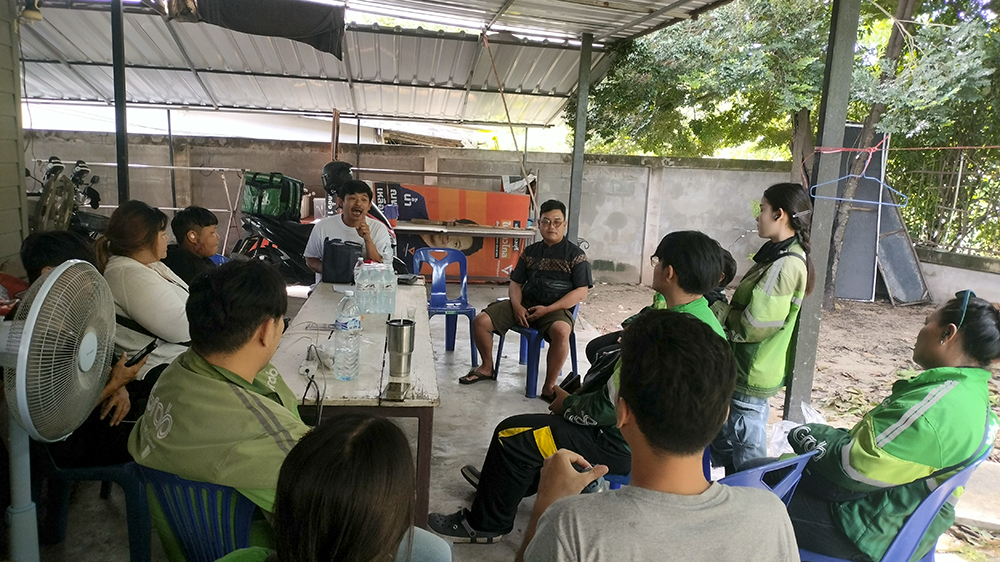
The discussions also highlighted important gaps in social
protection for platform workers. According to participants, most full-time
online drivers are registered under Thailand's Section 40 Social Security Scheme, which
is designed for self-employed workers. Meanwhile, drivers covered under Section 33 are
generally those who have formal employment and work as Grab drivers on a part-time
basis outside their regular working hours.
Although these schemes provide a basic level of social
security, participants noted that they do not fully address the specific risks
associated with platform work. As independent contractors rather than employees,
online drivers generally have more limited access to labour protection than
workers in formal employment, particularly regarding occupational accident
protection, income security, and other employment-related rights.
The experiences shared during the discussions suggest
that the challenges faced by online drivers are not merely individual problems
but reflect broader structural issues within the platform economy.
The growing number of drivers has intensified competition
for ride requests, while workers remain heavily dependent on platform
algorithms that determine ride allocation and pricing. Several participants
expressed concerns that these systems are difficult to understand and lack
sufficient transparency, making it challenging for drivers to anticipate their
earnings or understand how work opportunities are distributed.
These conditions illustrate that while platform work
creates opportunities to earn an income, it can also generate greater income
insecurity, longer working hours, and weaker bargaining power for workers.
As the digital economy continues to expand, creating
employment opportunities should go hand in hand with ensuring decent working
conditions and adequate social protection.
The Royal Thai Government has an important role in
developing policies that respond to the changing nature of work in consultation
with workers' organizations, digital platform companies, and other relevant
stakeholders. Such policies should ensure that platform workers have access to
comprehensive social protection, occupational safety, fair labour standards,
and effective mechanisms for resolving workplace concerns.
Digital platform companies also have a responsibility to
establish more transparent and equitable working systems. Greater transparency
in algorithmic management, fair compensation mechanisms, accessible grievance
procedures, stronger occupational safety measures, and improved social
protection are essential for building a more sustainable and inclusive platform
economy.
Meaningful change also depends on the active
participation of workers themselves. By joining workers' organizations,
platform workers can share experiences, strengthen their understanding of
labour rights, develop leadership skills, and collectively advocate for fairer
working conditions.
Young Christian Workers (YCW) Thailand welcomes online
drivers and other young workers to become part of a movement committed to
promoting decent work, social justice, and workers' dignity. Through education,
leadership development, awareness of labour rights, and collective action based
on the See–Judge–Act
methodology, YCW empowers young workers to respond to the challenges of today's
changing world of work.
This
field visit forms part of IYCW
Asia-Pacific's ongoing commitment to documenting the realities
faced by young workers across different sectors, strengthening their voices in
advocacy processes, and promoting decent work and social protection for all
young workers. As the platform economy continues to grow, strengthening
workers' organizations remains essential to ensuring that platform workers'
voices are heard, their rights are respected, and they are empowered to
contribute to a more just, inclusive, and sustainable future of work.



Write comment