(02) 252 3236
Severity: Warning
Message: fopen(/var/cpanel/php/sessions/ea-php74/ci_session39eacdec0e2374f2d6ee52e6f7753b9c11200a0e): failed to open stream: Disk quota exceeded
Filename: drivers/Session_files_driver.php
Line Number: 174
Backtrace:
File: /home/iycw0264/public_html/application/controllers/News.php
Line: 18
Function: __construct
File: /home/iycw0264/public_html/index.php
Line: 293
Function: require_once
Severity: Warning
Message: session_start(): Failed to read session data: user (path: /var/cpanel/php/sessions/ea-php74)
Filename: Session/Session.php
Line Number: 143
Backtrace:
File: /home/iycw0264/public_html/application/controllers/News.php
Line: 18
Function: __construct
File: /home/iycw0264/public_html/index.php
Line: 293
Function: require_once
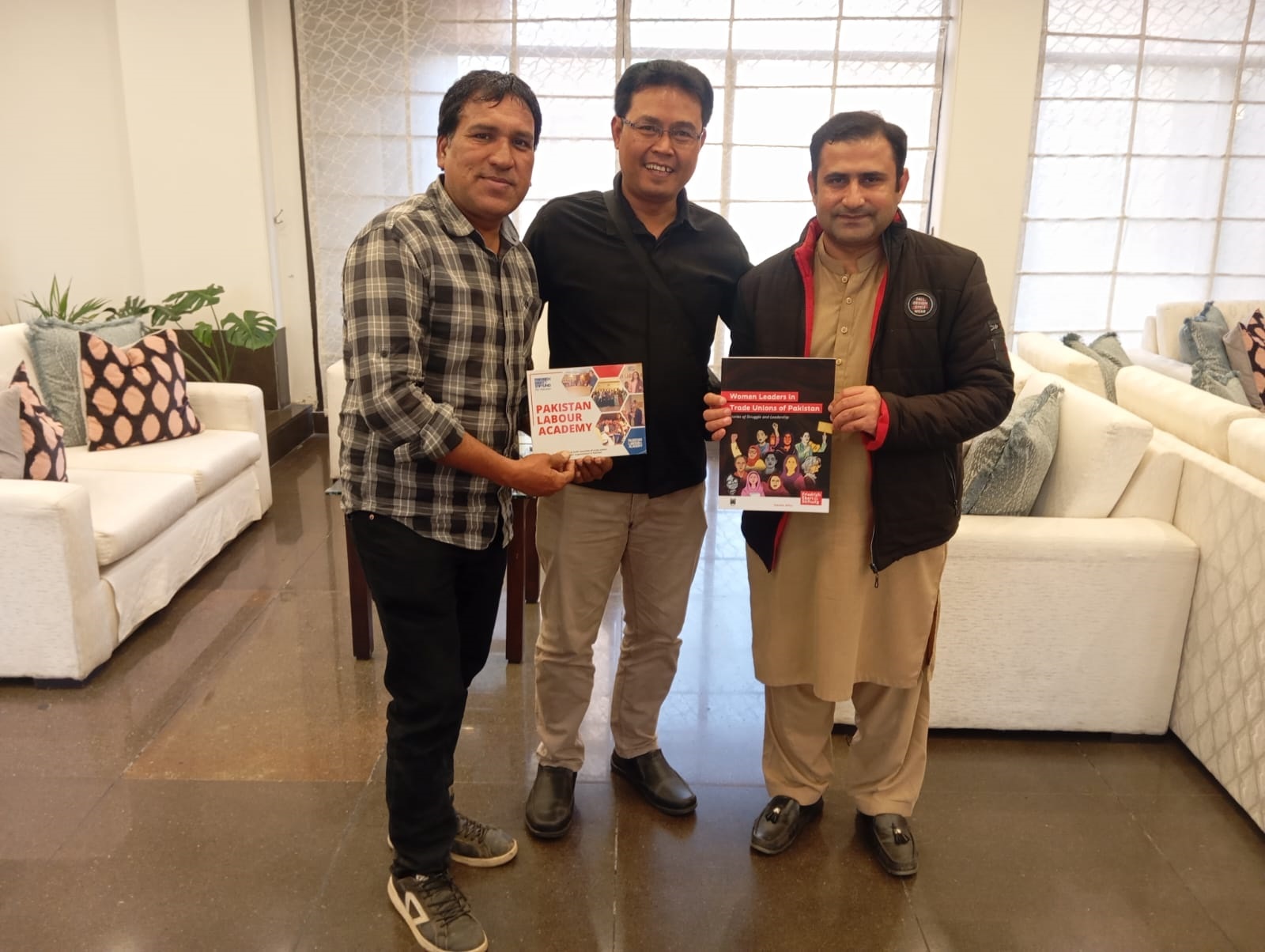
![$rows[judul]](https://iycw-aspac.org/asset/foto_berita/pakistanYCW1.jpg)
From 1 to 5 December 2025, the International
Young Christian Workers – Asia Pacific (IYCW ASPAC) participated in the Global
Coalition for Social Protection Floors (GCSPF) meeting held at the Margala
Hotel in Pakistan, represented by Nanang Ibrahim.
The meeting brought together a diverse group of
social protection advocates from around the world. It was attended by 22
international delegates representing every continent, 21 participants from
Pakistani organizations, and 12 participants joining online through a hybrid
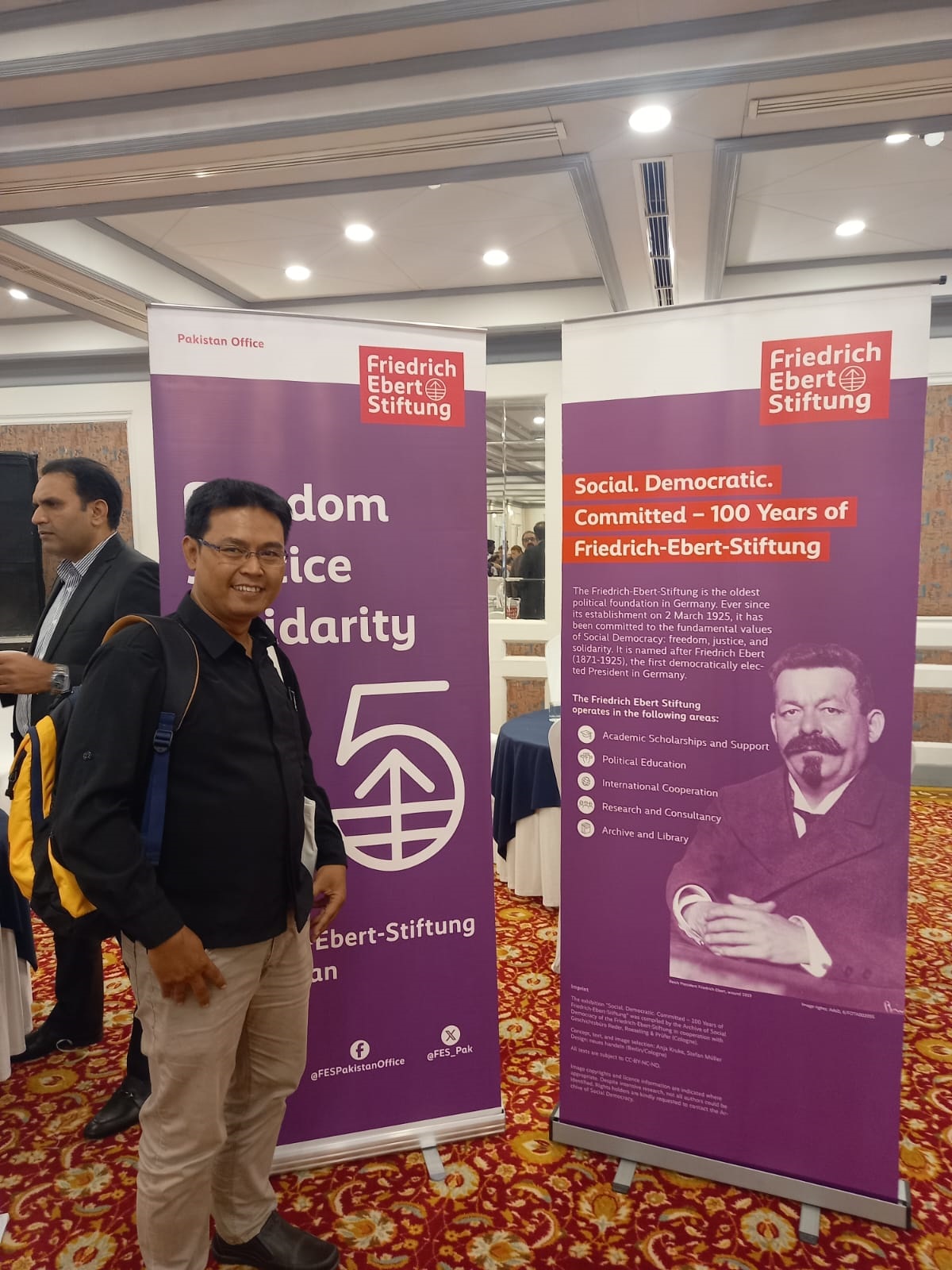
format. The event was hosted by Friedrich Ebert Stiftung (FES) Pakistan and
Brot für die Welt, reflecting strong international and local cooperation.
GCSPF: A
Global Platform for Social Protection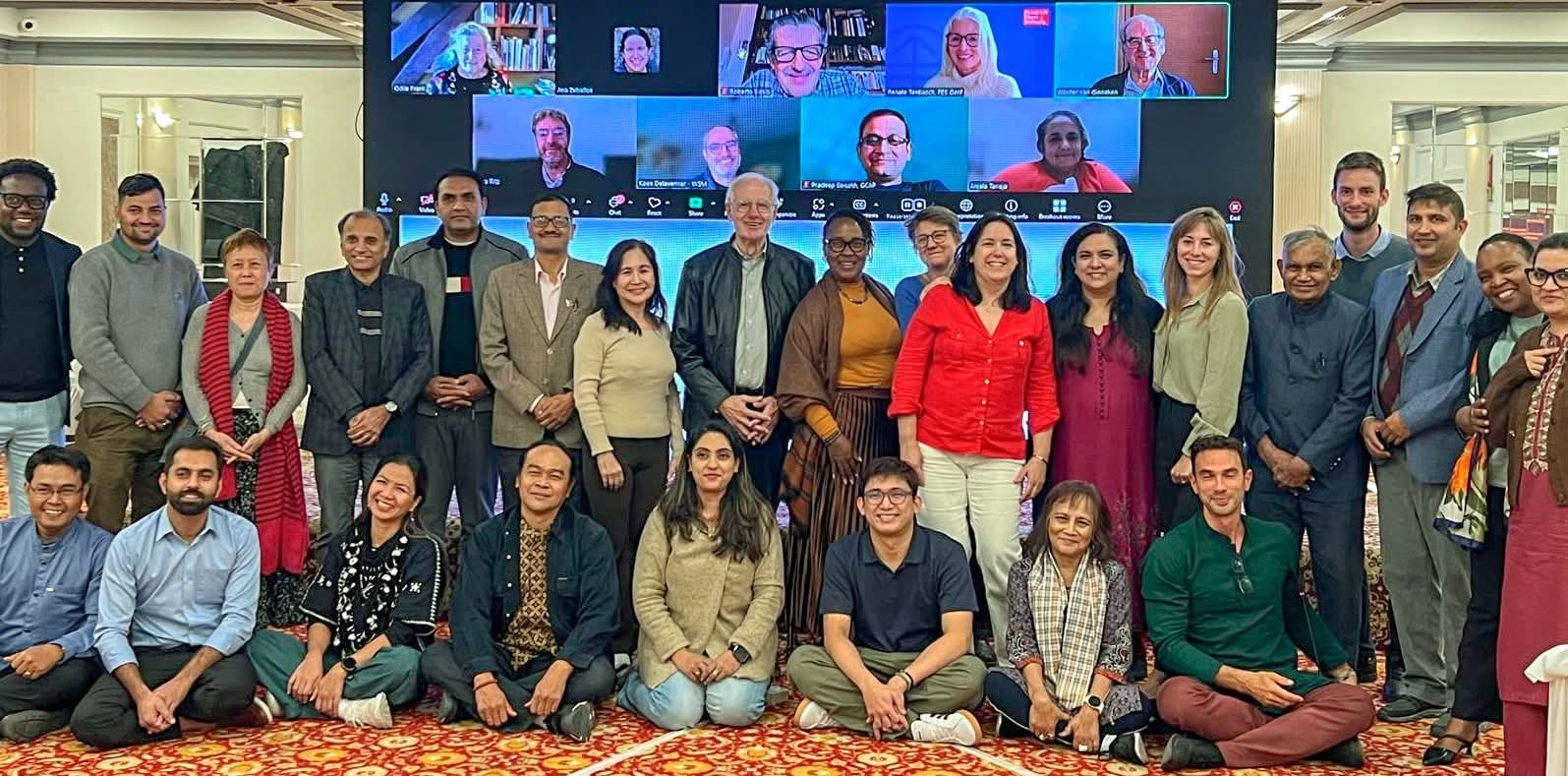
The GCSPF is an international alliance composed
of networks from all regions of the world, working collectively on campaigns,
advocacy, and policy engagement related to social protection. It serves as a
key platform for engaging governments, international institutions, and civil
society in advancing the idea of universal social protection floors—ensuring
that everyone, without discrimination, can access social security and basic
protection throughout their lives.
This
meeting in Islamabad was a continuation of GCSPF’s 2024–2025 work and focused
primarily on strategic planning for 2026 and beyond.
IYCW-ASPAC,
AROSP, and the Voice of Asia
IYCW ASPAC participates in GCSPF through its
membership in Asia Regional Organization for Social Protection (AROSP) and INSPIR
Asia, two of the largest social protection alliances in the region.
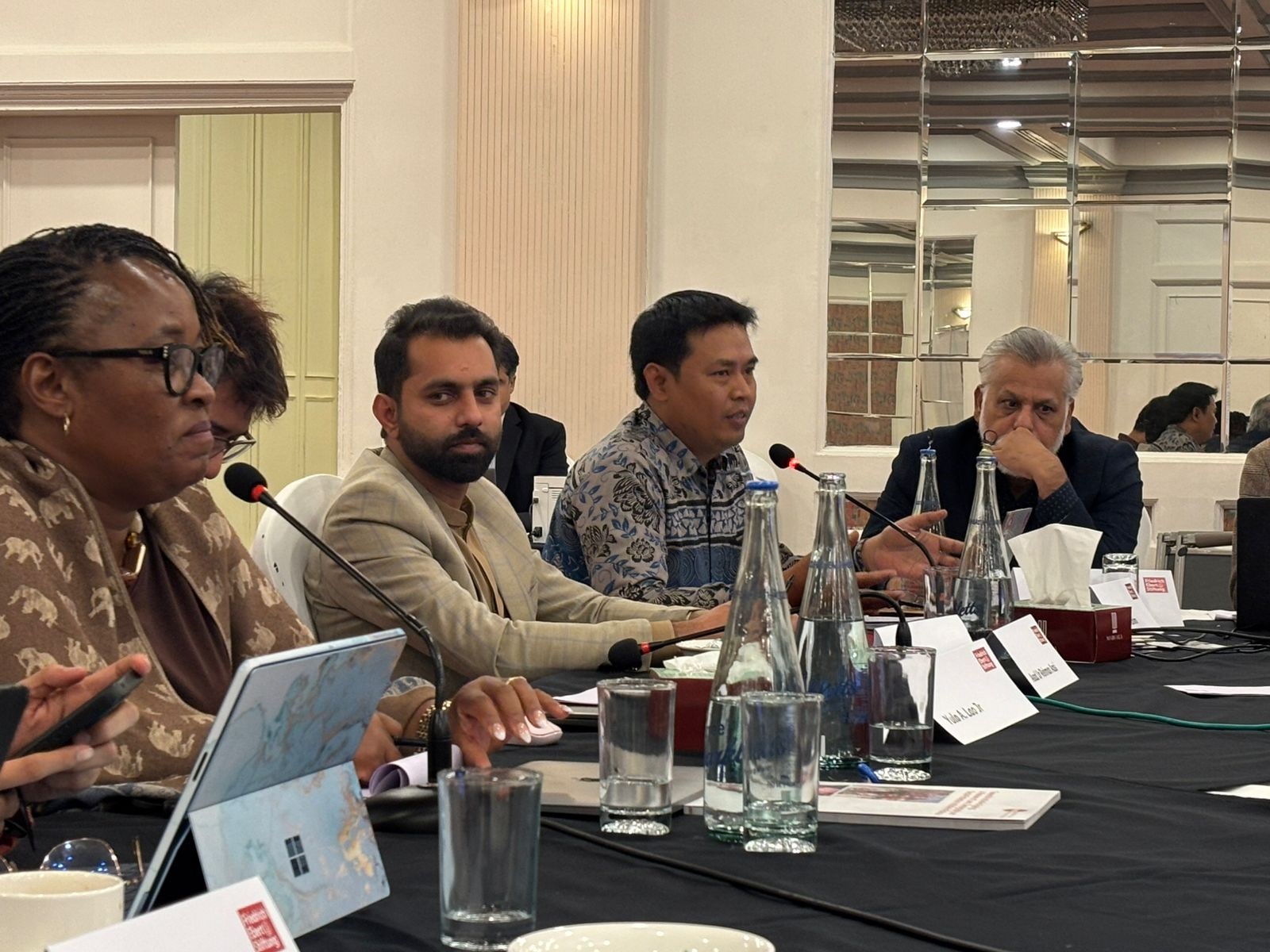
During the meeting, IYCW-APAC in representation
of Nanang Ibrahim was invited to present the state of social protection in
Asia, with a specific focus on Indonesia. Together with other AROSP members,
IYCW shared experiences, challenges, and analysis from the region.
The AROSP coordinator emphasized that the
coalition’s primary advocacy focus is to ensure that social protection systems
in Asia are accessible to all, particularly: for formal and informal workers, young
people and women
Despite
existing policies, many of these groups continue to be excluded in practice
from social protection benefits provided by governments or employers.
Challenges
in Social Protection: The Case of Indonesia
In the Indonesian context, the social protection
system is conceptually well designed, but its implementation faces persistent
challenges. These include weak data integration, limited coordination between
institutions, incomplete coverage, especially for informal workers, uneven
quality of services and lack of public education and awareness.
For workers, access to social protection
largely depends on individual contributions to schemes such as BPJS
Ketenagakerjaan (labor social security) and BPJS Health. These contributions
cover work accidents, death benefits, old-age security, pensions, unemployment,
and health services.
However, the role of the government in directly
financing social security contributions remains limited. In practice,
workers—especially those in informal or precarious employment—are required to
shoulder the cost of their own protection, while the government primarily
provides the administrative system.
Government social protection efforts are often
focused on cash transfers, food assistance, job training, small business
support, fuel and electricity subsidies, and health services for low-income
communities. While important, these programs frequently suffer from: inaccurate
targeting, short-term or temporary impact and limited effectiveness in
addressing structural insecurity
Towards Universal
and Rights-Based Social Protection
Through the GCSPF platform, IYCW, AROSP, and
their partners continue to advocate for a universal, rights-based social
protection system—one that:
The GCSPF meeting in Pakistan reaffirmed the
importance of global solidarity and collective advocacy in advancing social
protection as a fundamental human right, not a privilege.
For IYCW, participation in GCSPF is part of its
broader mission to ensure that young workers’ voices and realities are heard at
regional and global levels, and that social protection systems truly serve
those who need them most—today and in the future.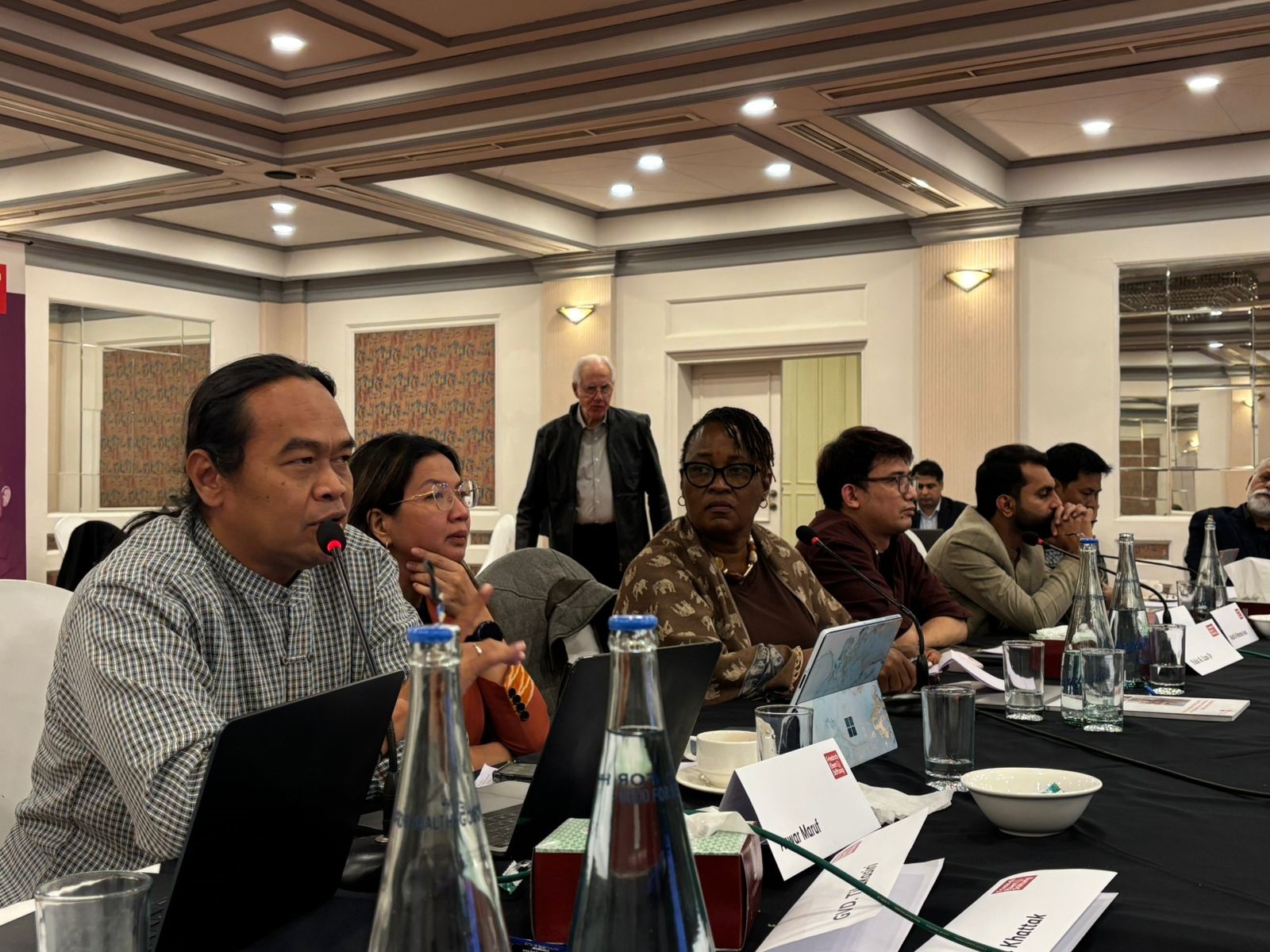


Write comment