(02) 252 3236
Severity: Warning
Message: fopen(/var/cpanel/php/sessions/ea-php74/ci_session73714547d92f145ef5449c5b2eb8a6043e6f44ee): failed to open stream: Disk quota exceeded
Filename: drivers/Session_files_driver.php
Line Number: 174
Backtrace:
File: /home/iycw0264/public_html/application/controllers/News.php
Line: 18
Function: __construct
File: /home/iycw0264/public_html/index.php
Line: 293
Function: require_once
Severity: Warning
Message: session_start(): Failed to read session data: user (path: /var/cpanel/php/sessions/ea-php74)
Filename: Session/Session.php
Line Number: 143
Backtrace:
File: /home/iycw0264/public_html/application/controllers/News.php
Line: 18
Function: __construct
File: /home/iycw0264/public_html/index.php
Line: 293
Function: require_once
![$rows[judul]](https://iycw-aspac.org/asset/foto_berita/india_aspac.jpg)
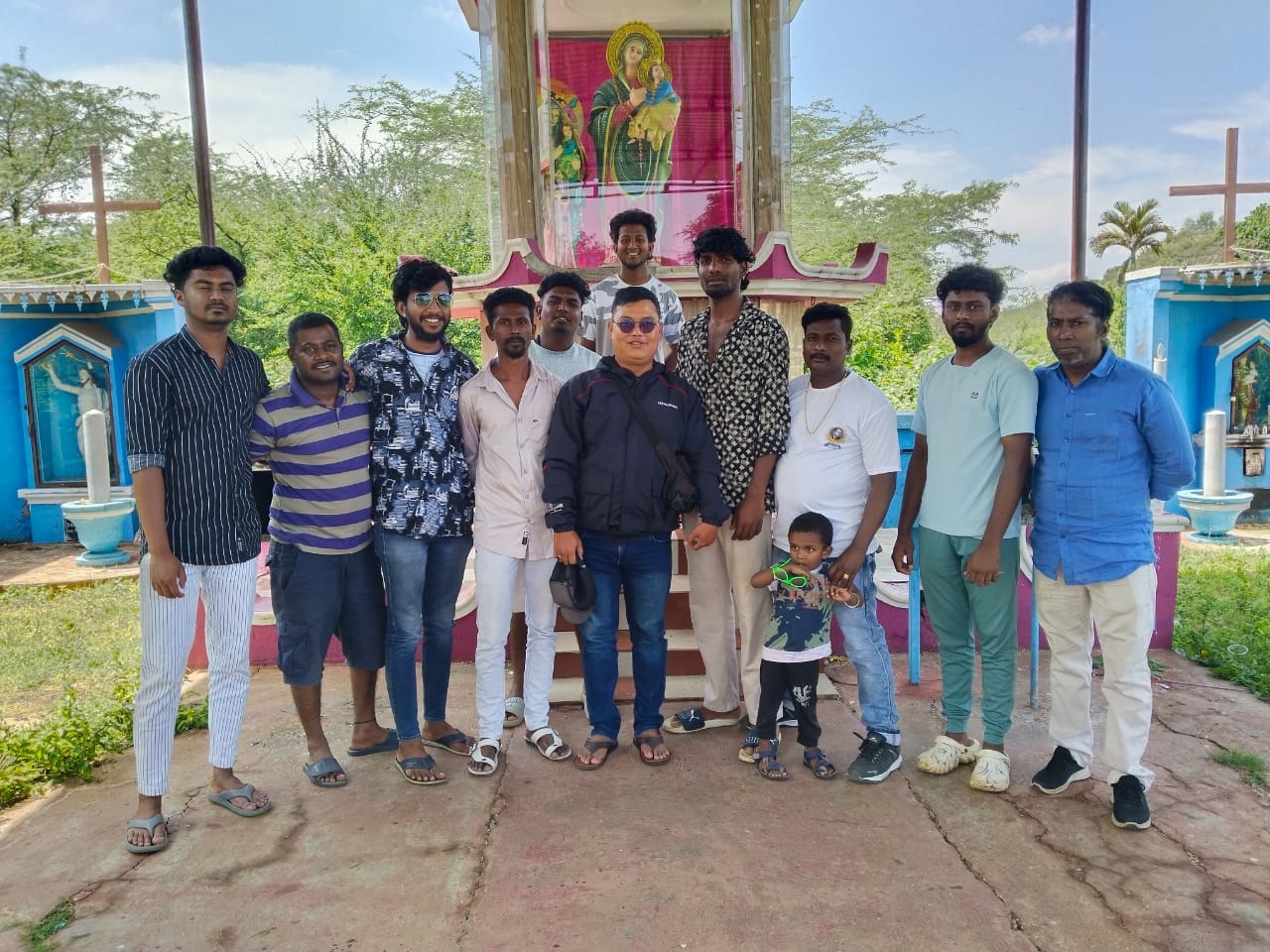
From 9 to 23 October 2025, the International
Young Christian Workers – Asia Pacific (ASPAC) carried out a field visit to
India as part of a continental process to accompany, strengthen, and rebuild
the Young Christian Workers India. The visit was not merely an evaluation
mission, but a concrete expression of solidarity with young workers who
continue to struggle for dignity, decent work, and a future rooted in hope.
Listening
to the Realities of Young Workers
The visit covered several key regions—Kolar
Gold Fields (KGF), Thanjavur, Madurai, and Kanyakumari—each revealing different
faces of the same struggle faced by young people today.
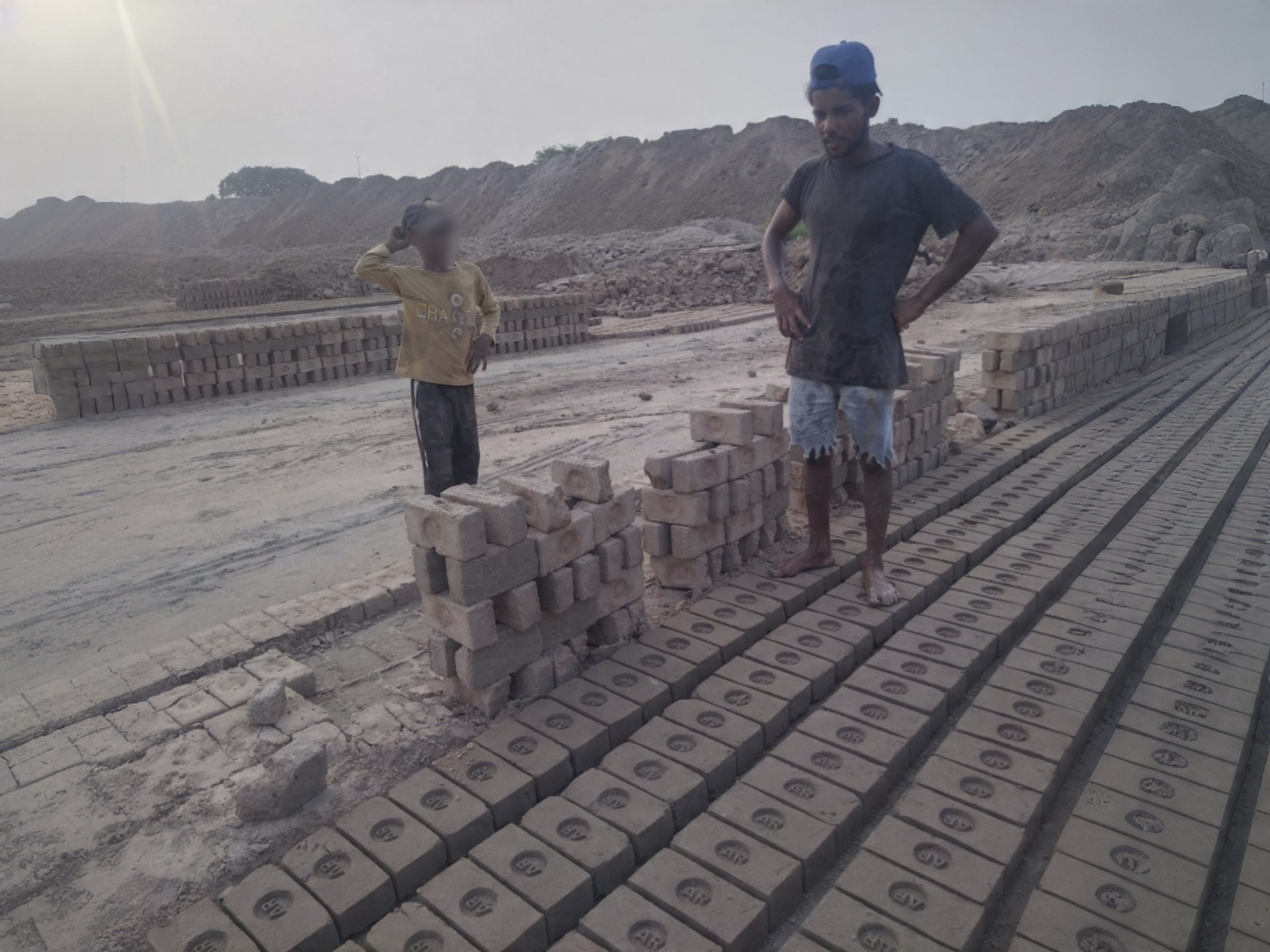
In Kolar Gold Fields, once a thriving mining
town, young people are living with the long-term consequences of the mine
closures. Despite having diplomas or college degrees, many are unemployed or
forced into irregular and low-paid work. Daily journeys of two to three hours
to Bengaluru have become a painful routine for many, draining both income and
energy. Public services have deteriorated, industries have not returned, and
young people feel forgotten by development programs. Yet, amid frustration and
uncertainty, aspirations remain strong. Young workers still dream of decent
jobs near their homes, social protection, and the chance to contribute to
rebuilding their community.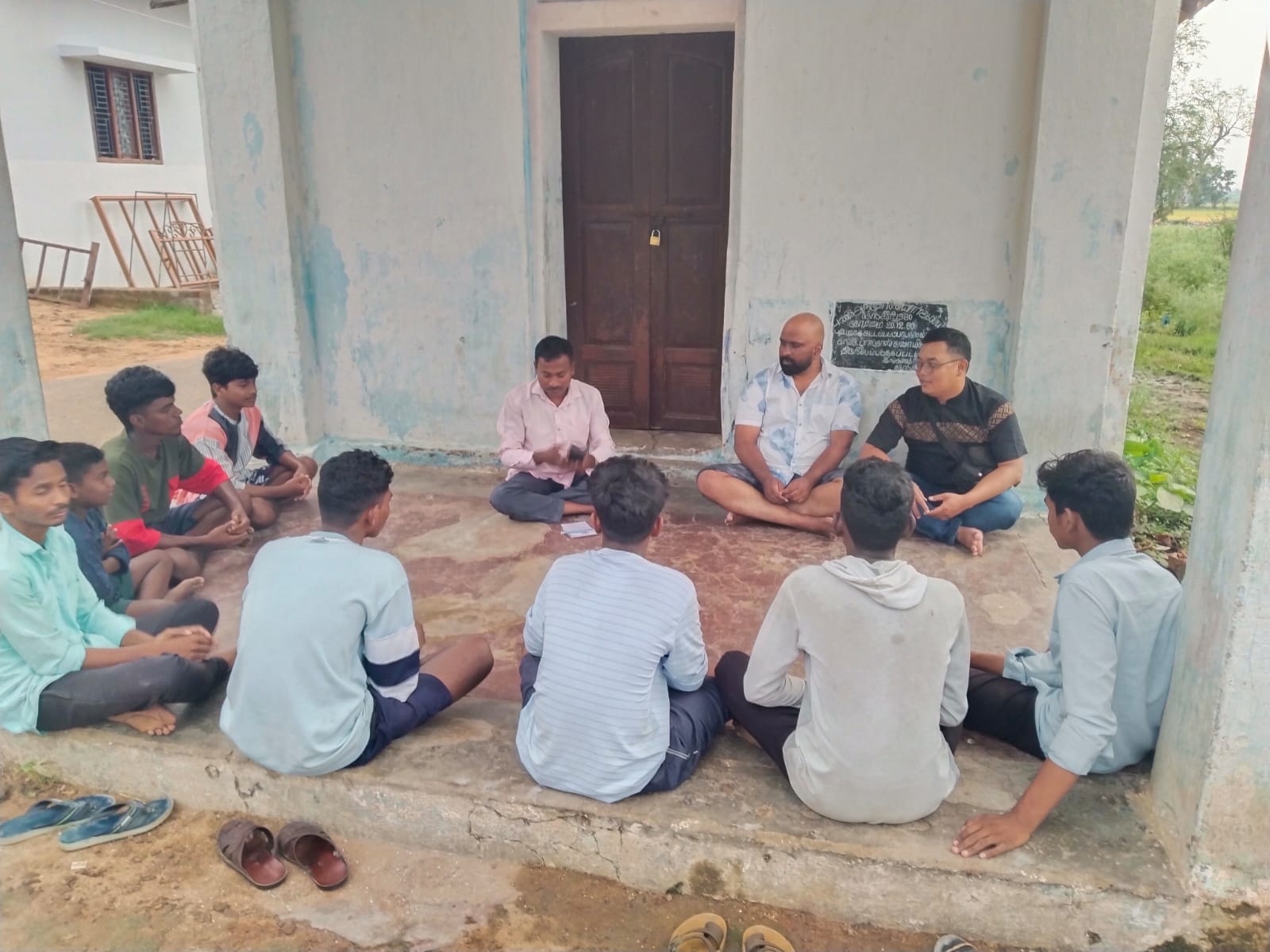
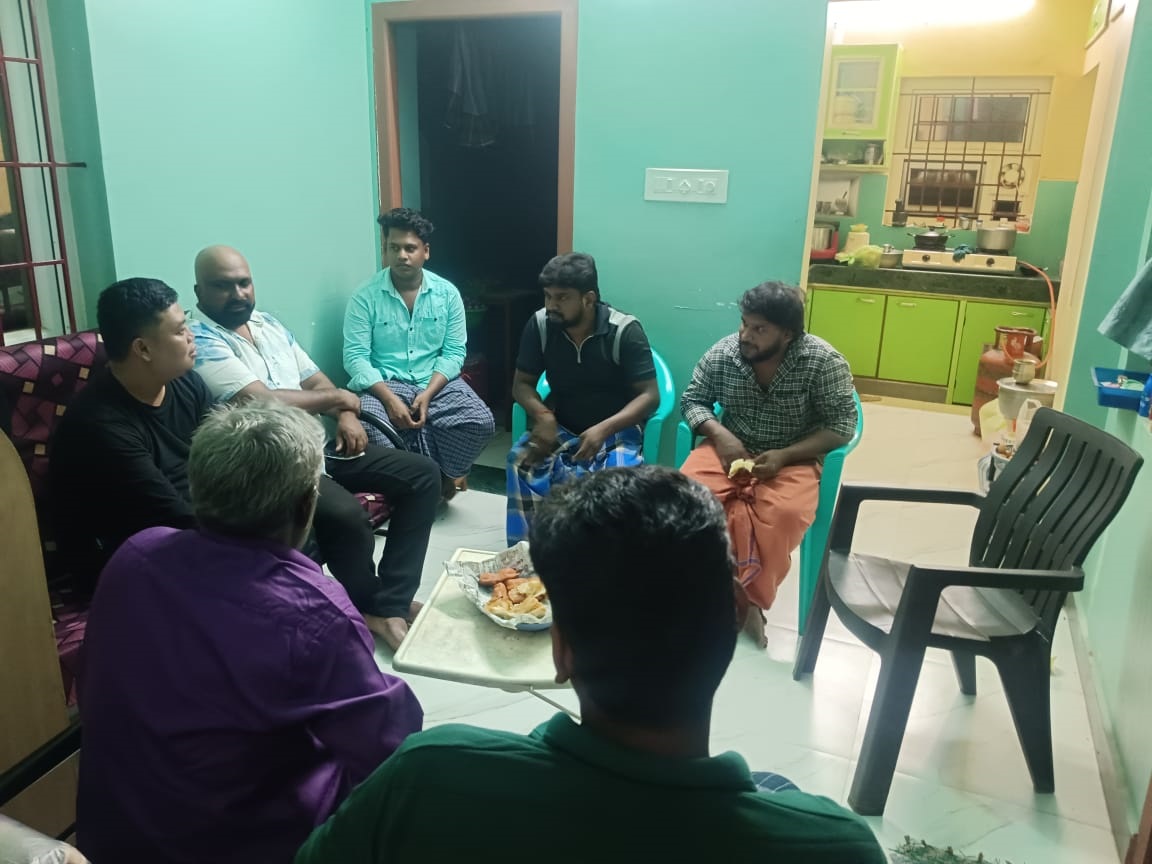
In Thanjavur, the visit encountered young
people who are students, construction workers, agricultural laborers, and
informal workers. Many juggle school and work to support their families, while
fearing that education alone may not guarantee employment. Although most are
new to YCW, their desire for independence, dignity, and a better future was
evident. Their openness to learning, combined with the presence of supportive
former members and local contacts, presents fertile ground for building new
base groups.
In the industrial area of Madurai, particularly
around SIPCOT in Vilampatti, young factory workers shared experiences of long
working hours, low wages, contract-based employment, and limited social
protection. While their income barely covers daily needs, their proximity to
one another has allowed strong social bonds to form—an important foundation for
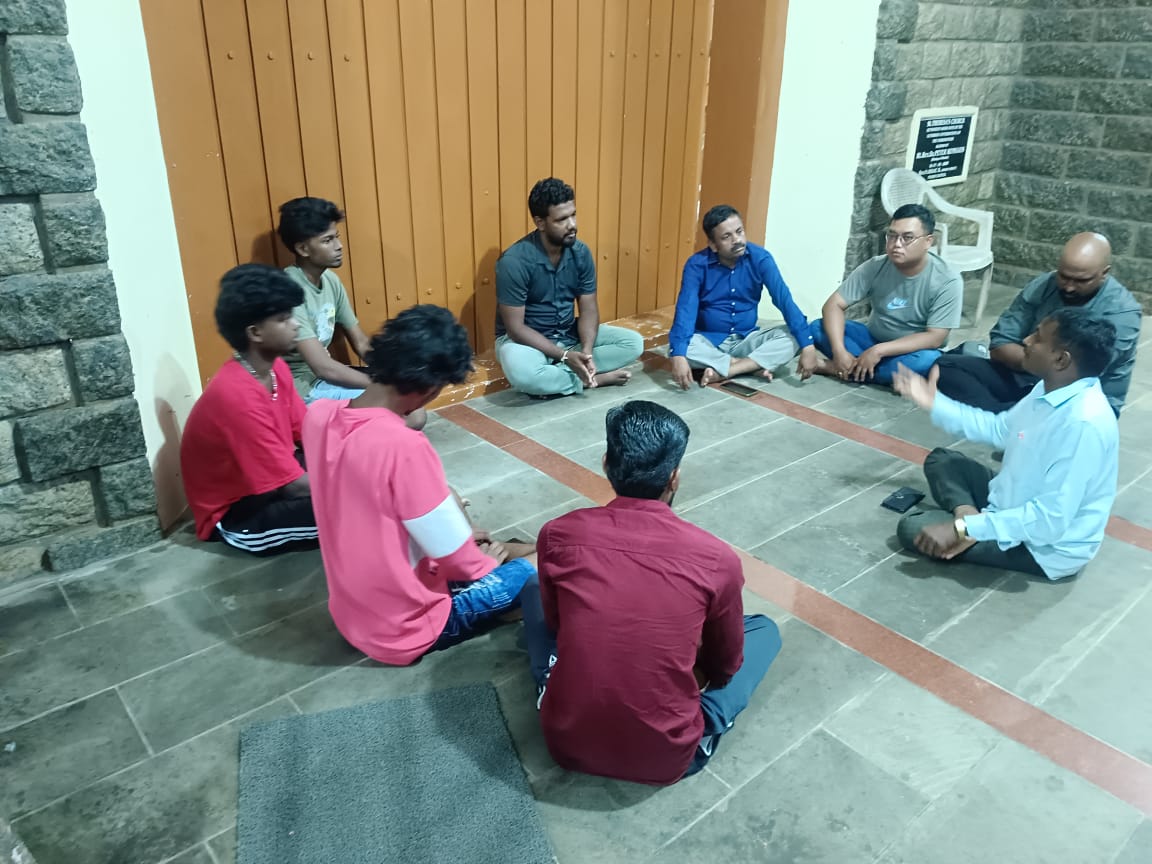
solidarity. Through YCW orientation and Review of Life Workers Action (ROLWA),
workers began reflecting collectively on their working conditions and the
importance of organizing for their rights and future security.
In Kanyakumari, young people active in church
ministries and social actions expressed both generosity and vulnerability. Many
are involved in seasonal or informal work, such as fishing-related activities,
construction, or transport services. They asked difficult questions about
migration, overseas work, and the risks involved. Reintroducing the YCW vision
helped them rediscover that their everyday struggles are not individual
failures but shared social realities that can be transformed through collective
action.
Accompaniment, Networks, and Shared Responsibility
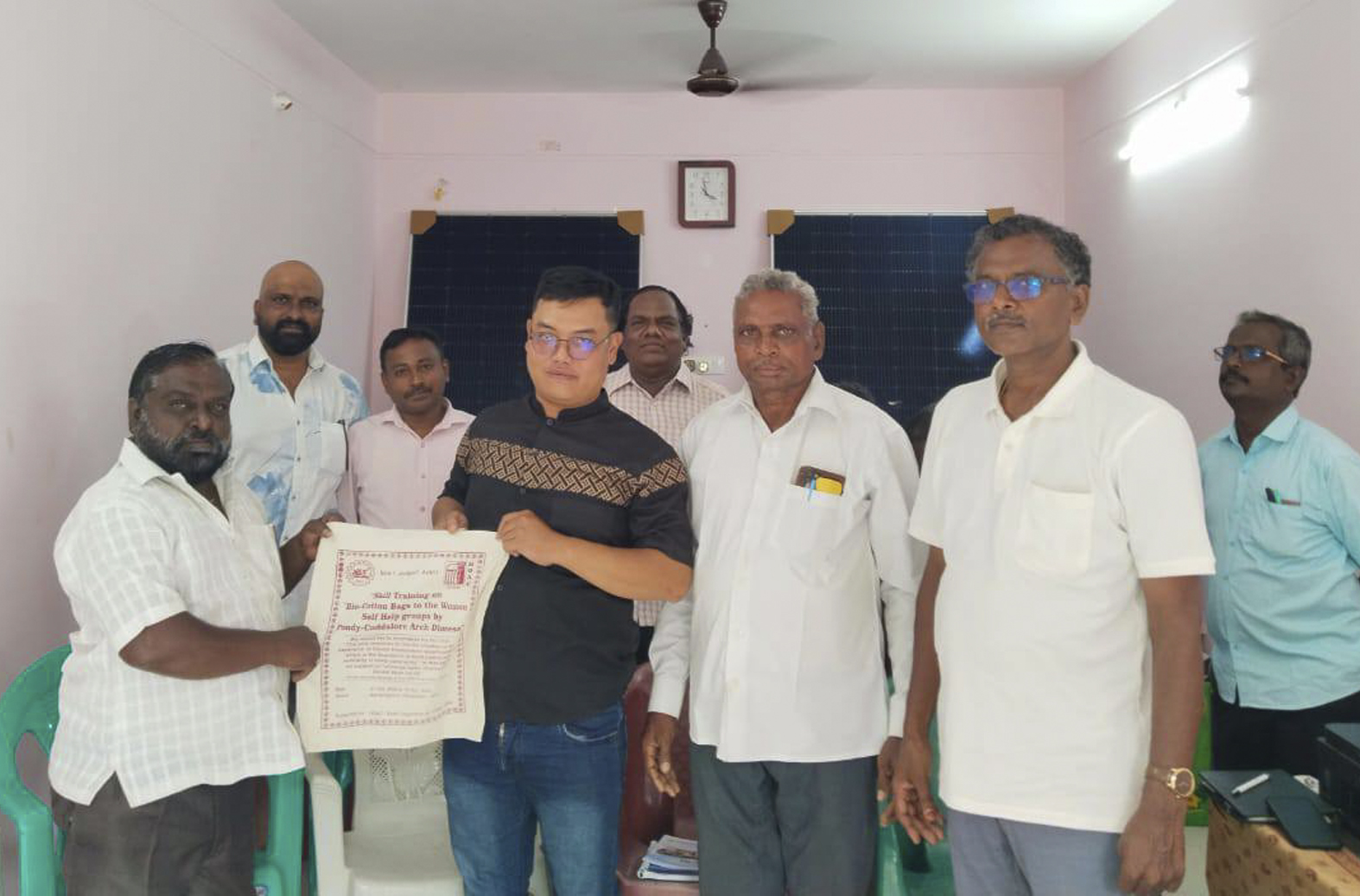
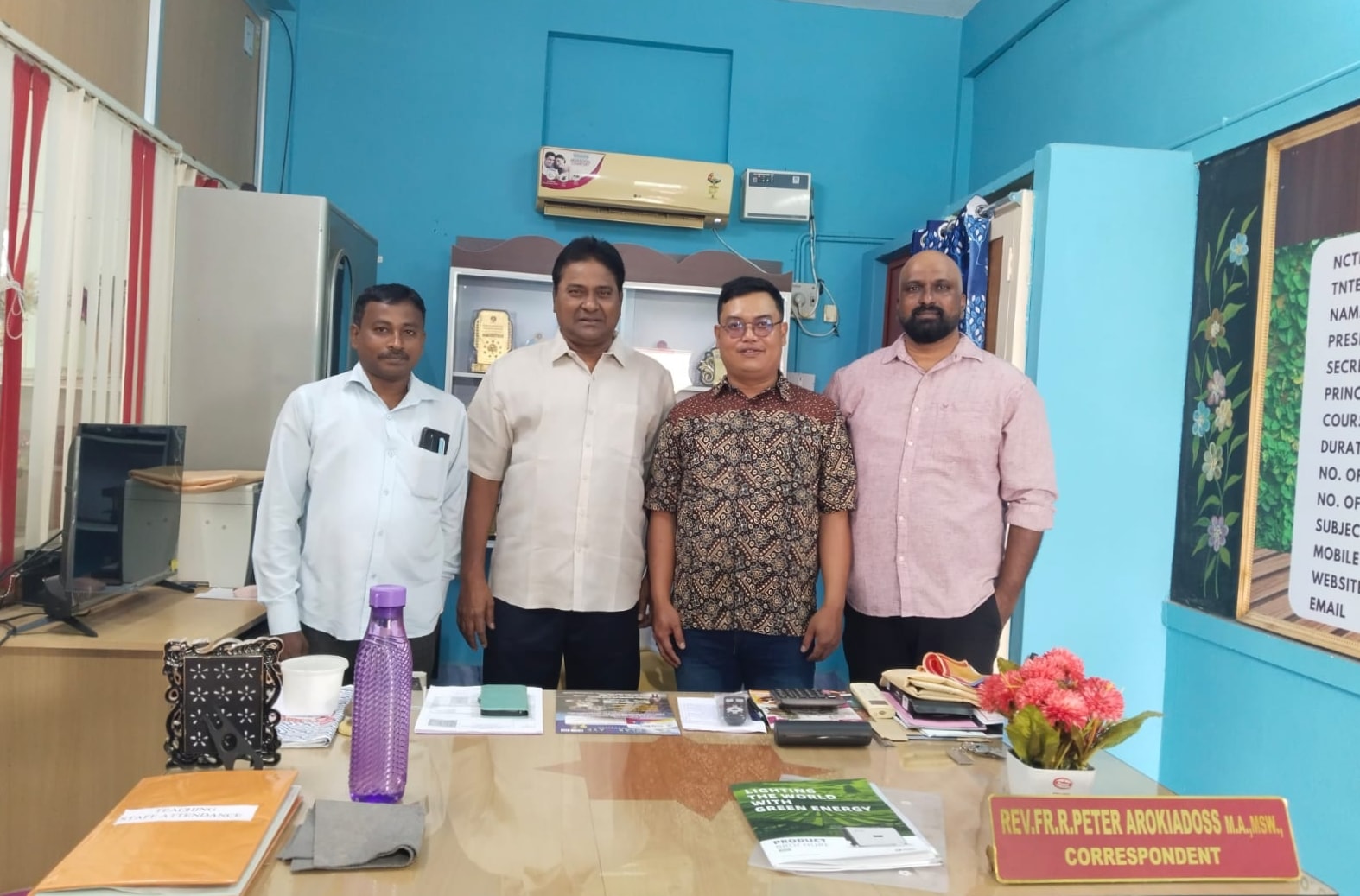
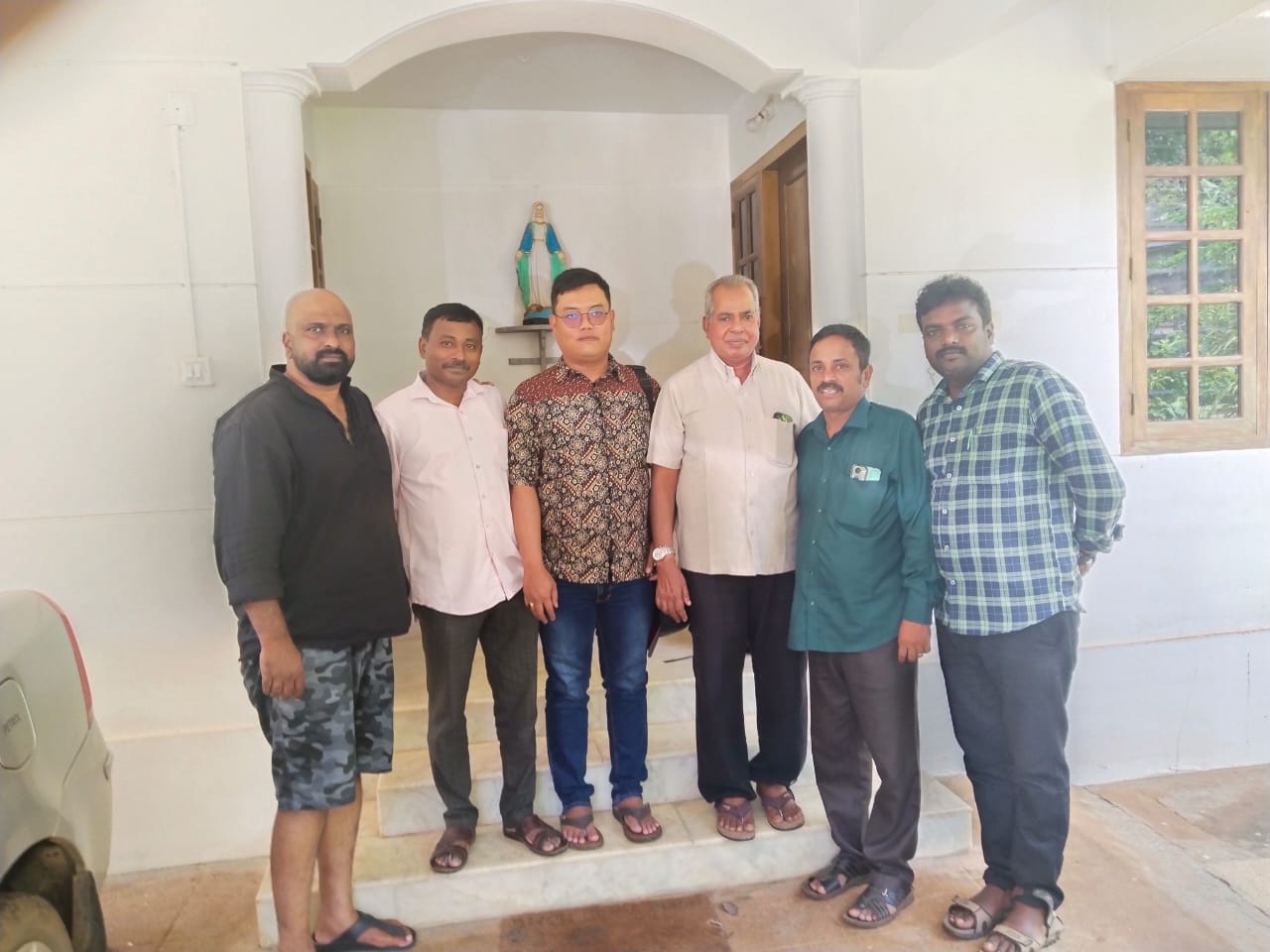
Beyond base group visits, the IYCW ASPAC team
engaged in important networking and coordination meetings. Dialogues with
Church leaders, including labor commissions and educational institutions,
opened pathways for collaboration in training, awareness, and youth formation.
Meetings with former YCW leaders renewed commitment to rebuilding structures in
Dindigul, Madurai, and nearby areas, emphasizing leadership development and
continuity.
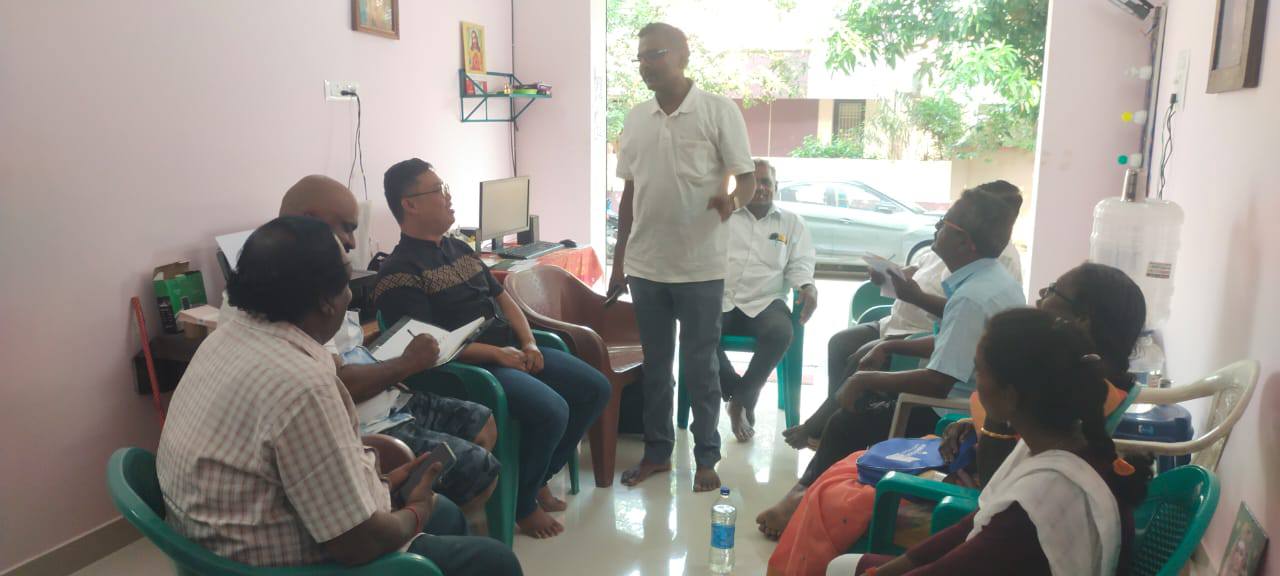
A key moment of the visit was the joint
reflection with the FYCW India Extension Team, reviewing progress, challenges,
and plans for 2025–2026. While encouraging steps have been taken, serious
obstacles remain—limited financial resources, the availability of organizers,
legal constraints, and the difficulty of sustaining long-term accompaniment.
These challenges highlighted the need for stronger support from ASPAC and the
International Secretariat, as rebuilding YCW India is not only a national task
but an international responsibility.
Walking
Forward Together
The field visit reaffirmed a fundamental truth
of the YCW movement: young workers are not passive victims of social injustice,
but active agents of change. Even in contexts of unemployment, migration, and
insecurity, young people continue to reflect, organize, and hope.
The rebuilding of YCW India will require
patience, consistency, and collective commitment—strengthening formation,
consolidating base groups, expanding networks, and ensuring material support
for organizers and activities. Most importantly, it calls for fidelity to the
See–Judge–Act method, grounding every action in the lived realities of young
workers.
As the movement looks ahead—towards deeper
accompaniment and participation in international life, including the upcoming
International Council—the visit stands as a reminder that YCW is alive wherever
young workers dare to reflect on their lives and act together for dignity,
justice, and hope.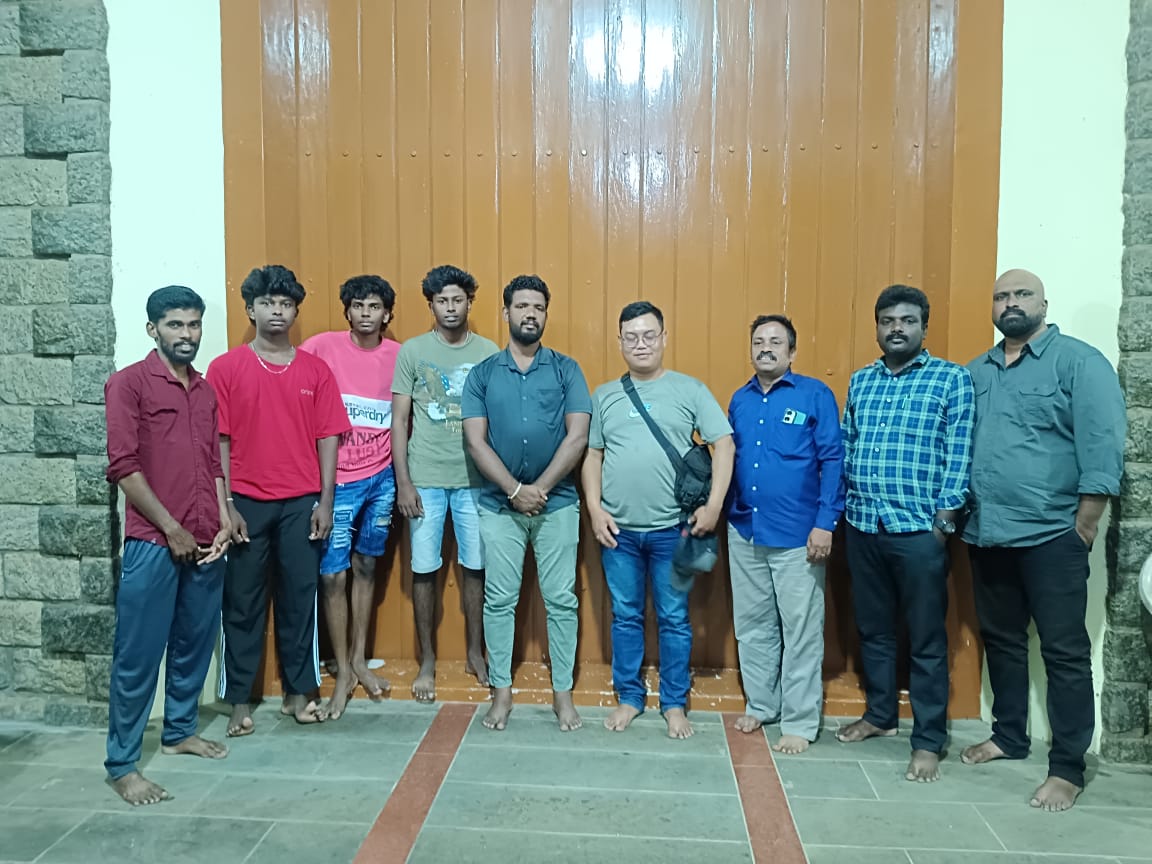


Write comment