(02) 252 3236
Severity: Warning
Message: fopen(/var/cpanel/php/sessions/ea-php74/ci_sessionc2f906af62706f2f38c2bbb20aab134798bc9dcc): failed to open stream: Disk quota exceeded
Filename: drivers/Session_files_driver.php
Line Number: 174
Backtrace:
File: /home/iycw0264/public_html/application/controllers/News.php
Line: 18
Function: __construct
File: /home/iycw0264/public_html/index.php
Line: 293
Function: require_once
Severity: Warning
Message: session_start(): Failed to read session data: user (path: /var/cpanel/php/sessions/ea-php74)
Filename: Session/Session.php
Line Number: 143
Backtrace:
File: /home/iycw0264/public_html/application/controllers/News.php
Line: 18
Function: __construct
File: /home/iycw0264/public_html/index.php
Line: 293
Function: require_once
![$rows[judul]](https://iycw-aspac.org/asset/foto_berita/ycwsrilanka3.jpg)
During
a recent visit to Sri Lanka, a powerful story emerged from conversations with
young people, former leaders, and community partners involved in the Young
Christian Workers (YCW) movement. Against a backdrop of economic uncertainty
and limited access to education, young people are coming together to build
skills, confidence, and solidarity—showing that collective action can open real
paths toward hope and dignity.
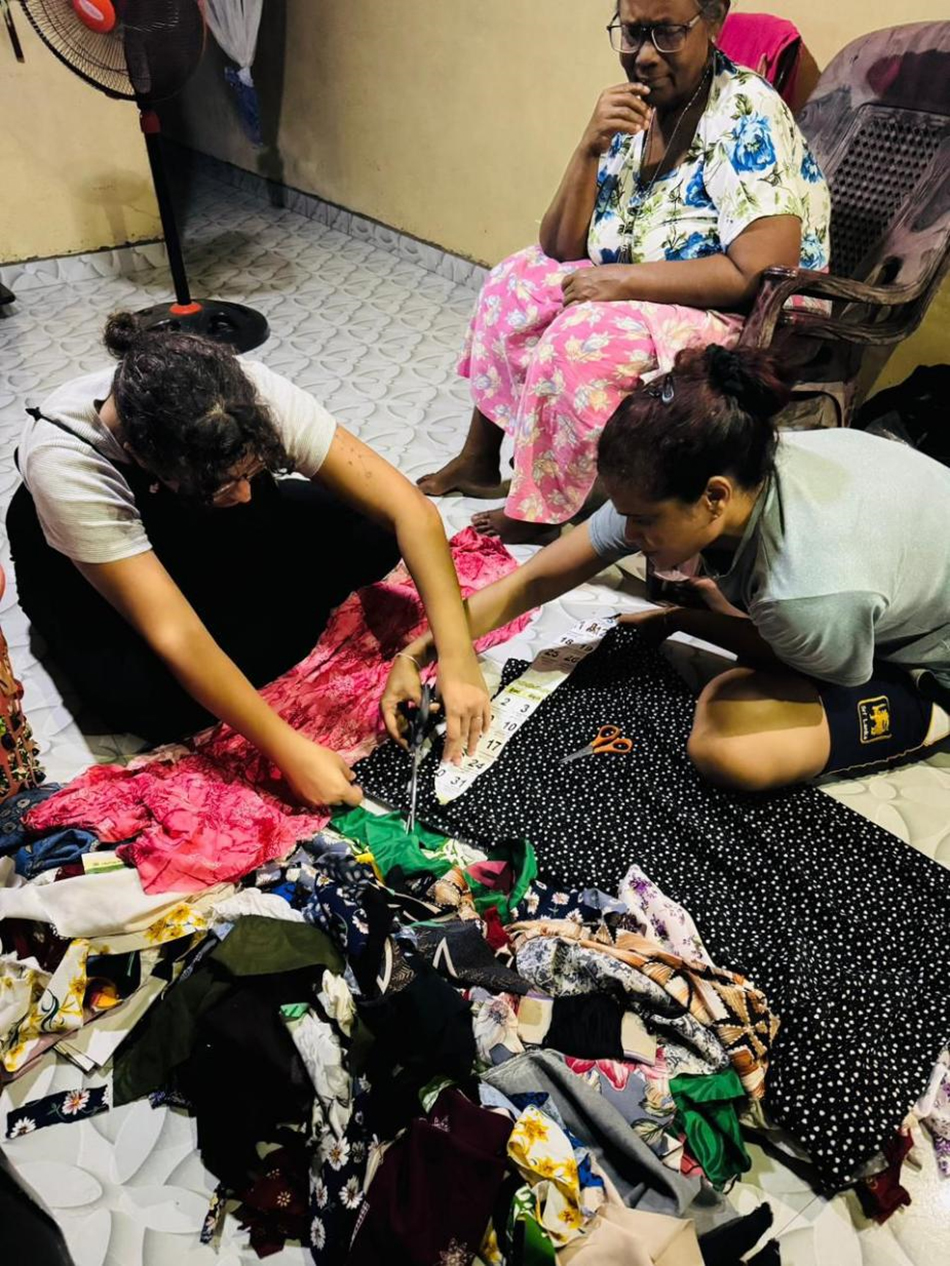
One of the most encouraging
highlights of the visit was the sewing training initiative, which has become a
practical and meaningful entry point for young people—especially young
women—into YCW. Through access to sewing machines, shared workspaces, and peer
learning, participants are gaining concrete skills that allow them to generate
income while continuing their studies or supporting their families.
For many, this initiative
is more than vocational training; it is a space of belonging and growth. As one
young member shared, “YCW is different from other organizations. There is
more freedom. Here, we learn together and support each other.” The sewing
project has helped young people recognize their own abilities and imagine new
possibilities for the future.
Across several base groups,
young members spoke openly about their dreams—becoming teachers, engineers,
mechanics, chefs, or entrepreneurs. What stood out was not only their ambition,
but also their willingness to listen to one another and work together despite
facing similar challenges.
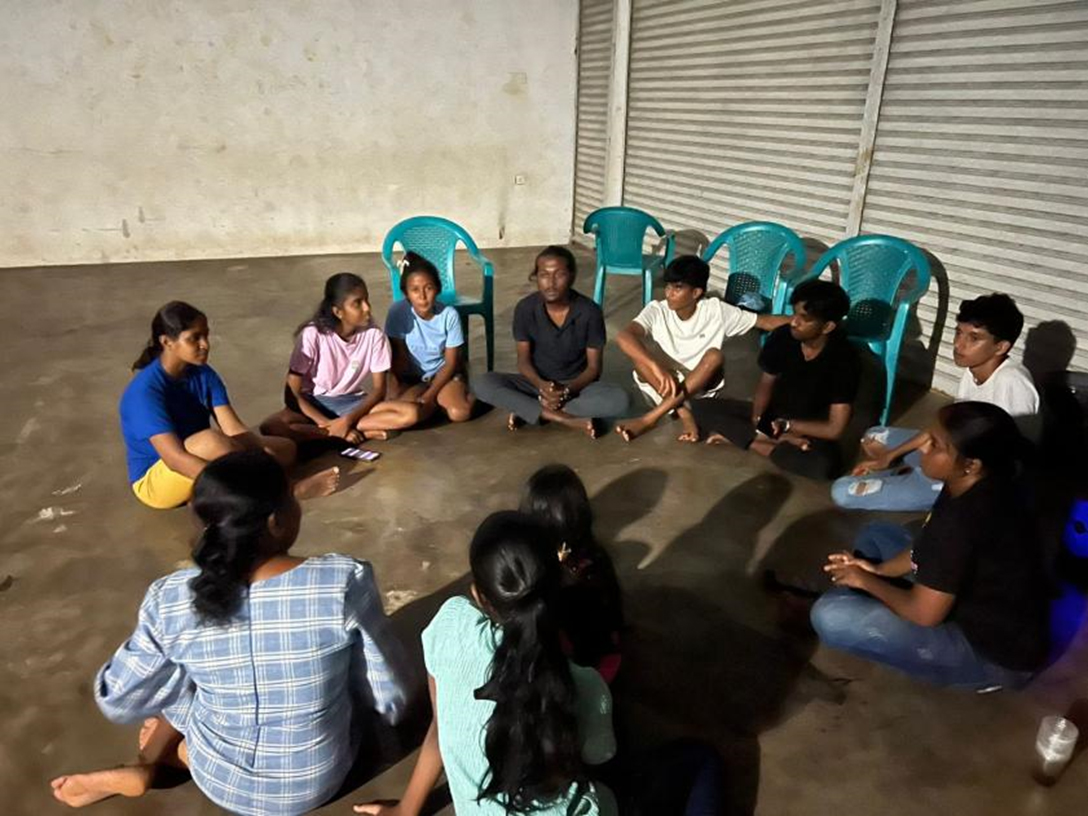
YCW meetings provide a rare
space where young people can speak freely about their lives and realities. A 17‑year‑old participant explained, “In YCW,
I feel I can speak openly and hear others share their lives. It helps me
understand that I am not alone.” These moments of dialogue are planting the
seeds for future leaders who are grounded in real experience and mutual
respect.
The visit also highlighted
the essential role of former YCW members, who continue to accompany and mentor
new groups with dedication and care. Their commitment has helped establish well‑structured base groups with regular
meetings and strong community ties. Thanks to this support, YCW Sri Lanka is
steadily rebuilding, with around 30 active young people across multiple groups
and the ambition to grow further in the coming years.
There is also growing
potential for collaboration with local parishes and women‑focused NGOs. These partnerships can
strengthen training opportunities, expand outreach, and ensure that young
people—especially women—have access to supportive networks that value their
contributions.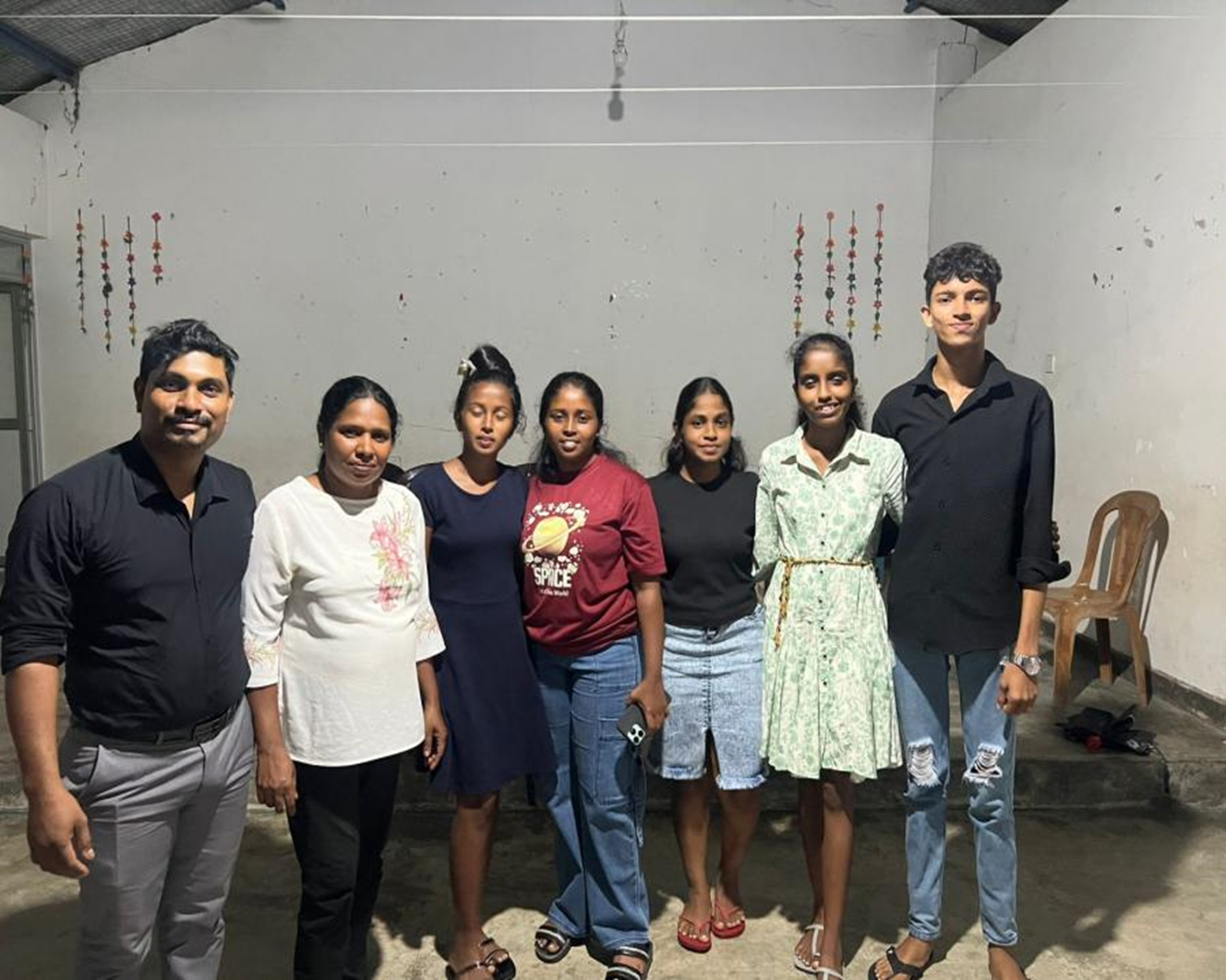
Despite
natural challenges such as flooding during the visit period, the overall impact
of the engagement was deeply positive. Young people showed motivation,
creativity, and a clear understanding of the values of YCW: dignity,
solidarity, and action rooted in lived reality.
As
one former leader reflected, “Even with difficulties, the young members
understand what YCW stands for. That shows the strength of accompaniment and
shared responsibility.” With continued formation, training, and collective
support, these young people are not only building skills—they are shaping a
future where their voices matter.
The
experience in Sri Lanka is a reminder that when young people are trusted,
supported, and organized, they become powerful agents of change in their
communities.


Write comment